
Rick Fulton
LPCTexas · 30 yrs exp
Practical, steady support for anxiety and stress
Stress, Anxiety · Addictions · Anger · Self esteem · +13 more
Read profileTherapist listings are provided by BetterHelp. We will earn a commission at no additional cost to you if you use our links to purchase.
This page lists therapists who focus on post-traumatic stress and trauma responses. Browse the profiles below to compare therapeutic approaches, credentials, experience, and language options.
Texas · 30 yrs exp
Practical, steady support for anxiety and stress
Stress, Anxiety · Addictions · Anger · Self esteem · +13 more
Read profile
Texas · 20 yrs exp
Compassionate, practical therapy for life challenges
Stress, Anxiety · LGBT · Relationship · Self esteem · +16 more
Read profile
Louisiana · 15 yrs exp
Compassionate care for stress and anxiety
Stress, Anxiety · Relationship · Family · Trauma and abuse · +12 more
Read profile
Colorado · 19 yrs exp
Compassionate LCSW helping manage stress and relationships
Stress, Anxiety · Relationship · Trauma and abuse · Grief · +12 more
Read profile
Texas · 13 yrs exp
Calm, practical therapy focused on your goals
Stress, Anxiety · Relationship · Trauma and abuse · Anger · +11 more
Read profile
Kentucky · 18 yrs exp
Warm, practical therapy for stress and relationship issues
LGBT · Relationship · Family · Self esteem · +14 more
Read profile
Colorado · 15 yrs exp
Goal-focused counselor for stress and relationships
Stress, Anxiety · Relationship · Intimacy-related issues · Self esteem · +10 more
Read profile
Louisiana · 7 yrs exp
Compassionate LPC helping people manage stress and anxiety
Stress, Anxiety · Family · Trauma and abuse · Parenting · +15 more
Read profile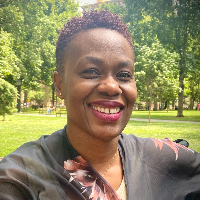
Oklahoma · 7 yrs exp
Calm, practical counseling for stress and change
Stress, Anxiety · Relationship · Grief · Depression · +8 more
Read profile
Pennsylvania · 12 yrs exp
Calm, practical support for stress and anxiety
Stress, Anxiety · Relationship · Self esteem · Depression · +11 more
Read profile
Texas · 22 yrs exp
Compassionate counselor for stress and life change
Stress, Anxiety · Grief · Career · Depression · +9 more
Read profile
Missouri · 16 yrs exp
Calm-focused, practical therapy approach
Stress, Anxiety · Trauma and abuse · Self esteem · Bipolar · +12 more
Read profile
Louisiana · 10 yrs exp
Calm, relational therapy focused on practical change
Stress, Anxiety · Relationship · Family · Depression · +12 more
Read profile
Texas · 10 yrs exp
Compassionate counselor for stress and life change
Stress, Anxiety · Relationship · Family · Depression · +14 more
Read profile
Texas · 11 yrs exp
Practical therapy for stress and anxiety
Stress, Anxiety · Trauma and abuse · Career · Depression · +9 more
Read profile
Oklahoma · 30 yrs exp
Compassionate counselor guiding practical change
Stress, Anxiety · Grief · Intimacy-related issues · Depression · +8 more
Read profile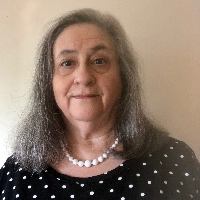
Mississippi · 23 yrs exp
Compassionate LCSW helping with life transitions
Stress, Anxiety · Grief · Anger · Self esteem · +8 more
Read profile
Louisiana · 22 yrs exp
Compassionate therapist focused on practical skills
Stress, Anxiety · Relationship · Family · Grief · +11 more
Read profile
Texas · 21 yrs exp
Practical support for stress and life transitions
Stress, Anxiety · Relationship · Trauma and abuse · Intimacy-related issues · +15 more
Read profile
Texas · 22 yrs exp
Experienced LPC helping with stress and anxiety
Stress, Anxiety · Relationship · Trauma and abuse · Depression · +16 more
Read profile
Alabama · 8 yrs exp
Warm, practical counselor focused on change
Stress, Anxiety · Trauma and abuse · Anger · Self esteem · +5 more
Read profile
Texas · 25 yrs exp
Therapist focused on stress and relationships
Stress, Anxiety · Family · Intimacy-related issues · Self esteem · +15 more
Read profile
Louisiana · 14 yrs exp
Compassionate, practical support for everyday struggles
Stress, Anxiety · Anger · Self esteem · Depression · +9 more
Read profile
Texas · 18 yrs exp
Compassionate counselor who listens first
Stress, Anxiety · Addictions · Trauma and abuse · Depression · +9 more
Read profilePost-traumatic stress is a response that can follow exposure to events that feel overwhelming, threatening, or harmful. It is not limited to a single type of experience; survivors of accidents, assaults, combat, childhood adversity, natural disasters, and medical trauma may all describe similar patterns of intrusive memories, heightened reactiveness, and shifts in mood or behavior. How it looks in your life can vary. Some people notice repeated, unwanted memories or flashbacks that feel as vivid as the original event. Others experience persistent anxiety, avoidance of reminders, sleep disruption, or a sense of emotional numbness that makes it hard to connect with friends and family.
Over time, these responses can shape routines, work, and relationships. You may find yourself on alert for danger, easily startled, or avoiding places and conversations that trigger distress. Physical symptoms such as tension, headaches, or changes in appetite are also common. The experience is often isolating because reactions to trauma can feel confusing or hard to explain. Recognizing that these reactions are common and that targeted therapeutic work exists to address them is a constructive first step.
You might consider reaching out for specialized help if trauma-related reactions are interfering with your day-to-day life or causing sustained distress. Frequent intrusive memories, nightmares, or flashbacks that disrupt your sleep or concentration are signals that additional support could be helpful. If you find yourself avoiding people, places, or topics that remind you of an event to the point that it limits activities, this is another indicator that focused strategies may improve your functioning. Heightened irritability, sudden anger, or difficulty regulating intense emotions can also be connected to unresolved trauma responses.
Some people notice a pattern of withdrawing from loved ones, feeling numb, or losing interest in activities they once enjoyed. Others experience relationship conflicts or have difficulty maintaining employment due to concentration or emotional regulation challenges. If you have started to rely on substances or other coping strategies that feel harmful, or if physical symptoms related to stress persist despite medical checks, working with a clinician who focuses on post-traumatic stress can help you explore safer, more adaptive ways to manage symptoms and rebuild a sense of control over your life.
Therapy for post-traumatic stress typically begins with an assessment and conversation about your history, current concerns, and treatment goals. Your therapist will likely ask about the events that are causing distress, the ways those events show up in your daily life, and what you hope to change. Early sessions are often devoted to building trust, establishing coping tools to manage strong emotions, and creating a plan that fits your pace and comfort. You can expect a balance of stabilization work and targeted techniques aimed at reducing the power of trauma-related memories and the avoidance patterns that maintain distress.
Therapy may include teaching skills for grounding, sleep hygiene, emotion regulation, and breathing or relaxation practices. Over time, you and your therapist may gradually address memories or reminders of the traumatic event in a way that aligns with your readiness. The process is collaborative; you will typically work together to set the pace and decide which interventions feel most helpful. Progress can be uneven, and setbacks are a normal part of healing. A clinician focused on trauma will often emphasize building your coping capacity so that you feel more able to tolerate and integrate difficult material.
Weekly sessions are common, but frequency and length vary depending on your needs. Some people benefit from shorter, more frequent check-ins while others prefer longer sessions spaced further apart. You should expect open communication about goals and regular review of whether the current approach is helping. If you have concerns about specific techniques or the emotional intensity of sessions, discussing these concerns with your clinician can guide adjustments to the plan.
There are multiple approaches therapists may use to address post-traumatic stress, and different clinicians describe their methods in varied ways. Cognitive-behavioral approaches focus on identifying and shifting unhelpful thoughts and behaviors that sustain distress. Exposure-based strategies guide you in approaching avoided memories or situations in a gradual, controlled manner so the hold of avoidance decreases. Some therapists describe using cognitive processing techniques to reframe beliefs about the event and its implications for your safety and identity.
Other approaches emphasize the body and sensation. Somatic-oriented methods attend to physical responses to trauma and teach ways to regulate bodily states that are linked to emotional reactions. Certain clinicians list eye movement-related techniques among their approaches; you may find therapists who list EMDR among their approaches as an option people mention for processing difficult memories. Additionally, relational and attachment-focused work can help you explore how the trauma has influenced your relationships and sense of self. Internal-focused models encourage a compassionate exploration of different parts of your experience to promote integration. When you review therapist profiles, pay attention to the approaches they list and consider asking how those methods might be used in your care.
Online therapy can make trauma-focused work more accessible by allowing you to meet with a clinician from the safety of your own setting. Sessions usually occur via video, phone, or text-based messaging, and many clinicians adapt trauma-informed practices to the online environment. You and your therapist will discuss how to handle intense emotional reactions during a remote session, including plans for pausing the work, using grounding strategies, and identifying local supports if needed. Establishing a predictable routine for sessions and a comfortable, uninterrupted space for meeting helps the process feel more manageable.
Some people find that working online reduces barriers like travel time or scheduling constraints, while others prefer in-person contact for certain kinds of somatic work. Therapists who work online often describe ways to translate hands-on techniques into verbal and movement-based alternatives or to coordinate with local resources when in-person services are preferable. When you consider remote therapy, think about practicalities such as connectivity, privacy in your environment, and what helps you feel present and focused during a session.
Selecting a clinician for post-traumatic stress is a personal decision shaped by what matters most to you. Consider the clinical approaches a therapist lists and whether those methods resonate with your preferences for processing memories, working with emotions, or addressing body-based symptoms. Look at reported areas of focus, languages spoken, and professional credentials listed in profiles to get a sense of who might align with your needs. Many people also value a therapist's cultural competence and familiarity with specific types of trauma, whether related to military experiences, interpersonal violence, medical events, or childhood adversity.
When you find profiles that appeal to you, reach out with questions about their approach to trauma work, how they support clients through intense sessions, and what a typical course of care might look like. Asking about how they pace exposure or memory-focused interventions, how they prioritize safety and stabilization, and how they incorporate coping skills into sessions can help you evaluate fit. Trust your impressions - a therapist who communicates clearly, listens to your concerns, and adapts the plan to your comfort level is likely to be a better match than one whose style feels rigid. Ultimately, selecting a therapist is about finding someone whose approach and demeanor allow you to engage with difficult material and move toward greater clarity and functioning.
Alabama
327 therapists
Alaska
2 therapists
Arizona
12 therapists
Arkansas
152 therapists
California
23 therapists
Colorado
26 therapists
Connecticut
2 therapists
Delaware
1 therapist
Florida
63 therapists
Georgia
32 therapists
Hawaii
2 therapists
Idaho
3 therapists
Illinois
10 therapists
Indiana
17 therapists
Iowa
5 therapists
Kansas
13 therapists
Kentucky
268 therapists
Louisiana
386 therapists
Maine
1 therapist
Maryland
8 therapists
Massachusetts
4 therapists
Michigan
13 therapists
Minnesota
3 therapists
Mississippi
203 therapists
Missouri
25 therapists
Montana
3 therapists
Nebraska
4 therapists
Nevada
6 therapists
New Jersey
10 therapists
New Mexico
12 therapists
New York
6 therapists
North Carolina
26 therapists
North Dakota
1 therapist
Ohio
15 therapists
Oklahoma
328 therapists
Oregon
2 therapists
Pennsylvania
10 therapists
South Carolina
15 therapists
Tennessee
351 therapists
Texas
2280 therapists
Utah
5 therapists
Virginia
21 therapists
Washington
5 therapists
West Virginia
2 therapists
Wisconsin
5 therapists
Wyoming
3 therapists