
Esther Bold
LPCAlaska · 20 yrs exp
Seasoned counselor focused on steady, practical change
Stress, Anxiety · Addictions · Relationship · Family · +11 more
Read profileTherapist listings are provided by BetterHelp. We will earn a commission at no additional cost to you if you use our links to purchase.
Welcome to our Alaska online therapy listings. All listed therapists are licensed to practice in Alaska - explore the profiles below to learn about their approaches, focus areas, credentials and languages.
Alaska · 20 yrs exp
Seasoned counselor focused on steady, practical change
Stress, Anxiety · Addictions · Relationship · Family · +11 more
Read profile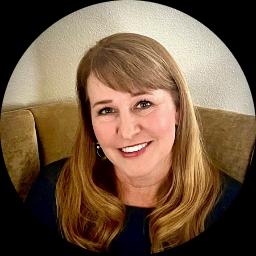
Alaska · 12 yrs exp
Calm, practical support for stress and anxiety
Stress, Anxiety · Addictions · Relationship · Trauma and abuse · +1 more
Read profileOnline therapy in Alaska has become a practical way to connect with mental health professionals when in-person options are limited by distance, weather or local availability. Across the state you can find clinicians licensed to practice in Alaska who offer sessions by video or phone, which makes it possible to receive care while living in an urban neighborhood, a remote village, or somewhere in between. Laws and regulations shape how cross-state telehealth works, so licensed Alaska clinicians follow state practice standards and scope of practice rules when offering remote services to people who live in Alaska. That means you will typically be working with a clinician whose license is valid for practice in the state where you live.
Because online therapy removes a commute and can be scheduled from your home, it is often used as an ongoing care option or as a way to begin therapy when finding an in-person match is difficult. Some therapists specialize in remote work and structure their intake, documentation and technology to make virtual sessions feel familiar and manageable. When you read profiles in a directory, you will see information about the clinician's training level, the types of concerns they list, the therapeutic approaches they mention, the languages they speak and the populations they say they focus on. Reviewing that information helps you understand whether a clinician's style is likely to fit your needs.
Online therapy reduces geographic barriers that are especially pronounced in Alaska, where long distances and seasonal travel can affect access to care. When you choose virtual sessions, you eliminate travel time and weather-related disruptions for many appointments. That can make a meaningful difference if you juggle work, family responsibilities or seasonal employment. The convenience of connecting from home or another comfortable setting often makes it easier to maintain regular contact with a therapist during times of stress.
Beyond convenience, online therapy expands your choice of clinicians. You can match with a therapist who lists experience working with your particular concern or cultural background rather than being limited to those in a single town. If you prefer a therapist who speaks your language, focuses on cultural or Indigenous perspectives, or lists experience with certain life stages, virtual care can widen the pool of potential matches. Additionally, online therapy platforms and clinicians often provide flexible session lengths, written resources between sessions and options to communicate by message or email, which can help you integrate therapy into a busy schedule.
Therapists working with Alaska residents address a broad array of concerns, with many clinicians focusing on anxiety and related conditions because they are common reasons people seek help. You will find therapists who list anxiety reduction and stress management among their focus areas, as well as those who list work with depression, grief, trauma and life transitions. People also search for help with relationship challenges, family dynamics, parenting stress, and adjustments related to relocation, deployment or seasonal work.
Some clinicians describe their work with trauma recovery and post-traumatic stress, noting that they incorporate strategies and structures designed for people who want to process traumatic experiences. Others highlight approaches for behavioral health issues, mood regulation and coping skills. When you review profiles, pay attention to phrases like "therapists who list CBT among their approaches" or "therapists who list mindfulness-based methods among their approaches" to understand the therapeutic orientation a clinician prefers. That language indicates what the clinician mentions using in practice, without implying formal certification in any single method.
Verifying a clinician's license is an important step before beginning work together. Start by visiting the Alaska professional licensing lookup on the state's official website. Most state sites allow searches by the clinician's name, license number or profession. When you find a record, look for the license type, the current status, issue and expiration dates, and whether there are any public disciplinary actions or consumer complaints noted on the record. These elements give you factual information about a clinician's standing with the licensing authority.
If the licensing lookup is unclear, you can contact the relevant licensing board or division directly by phone or email and ask for assistance in interpreting the record. Keep the clinician's full name and any license number handy when you call. It is also reasonable to ask a clinician to provide their license number during an initial contact so you can confirm it independently. While verifying the license, you may want to confirm that the clinician is authorized to provide mental health services in Alaska specifically, and to ask about the state rules that apply to telehealth practice.
Before you reach out to a clinician, take a moment to clarify your goals for therapy. Are you seeking help for a specific concern like panic attacks, relationship conflict or workplace stress? Or are you looking for general support with mood, coping or life transitions? Knowing your priorities will help you read therapist profiles and select clinicians whose focus areas align with what you want to address. Also consider practical questions: whether you will use insurance or pay privately, what session times fit your schedule, and what technology you are comfortable using for video calls.
When you review profiles, look beyond credentials to the clinician's stated focus areas and the language they use to describe their work. You might favor a clinician who lists experience working with Indigenous communities, military families, young adults or parents of young children, depending on your background. If certain therapeutic approaches appeal to you, seek therapists who list those methods among their approaches, for example those who list CBT, those who list trauma-focused methods, or those who list mindfulness-based techniques. You can also note languages spoken and any cultural competence the clinician highlights.
When you reach out to a clinician, a brief initial conversation or intake message can help you determine whether their style fits your needs. Ask about how they structure sessions, how they handle emergency concerns given remote work, and what technology platform they use for video sessions. It is appropriate to ask about fees, insurance billing and whether they provide sliding scale options. If a clinician's practice and approach feel like a reasonable match after that first exchange, you can schedule an initial session to see how the working relationship unfolds.
Plan for a quiet, private space where you can speak without interruption, and test your internet connection and audio before the first session. Treat the session like an in-person appointment by setting aside the full time, minimizing distractions and noting a few goals you want to address. If you have concerns about privacy, ask the clinician how they safeguard your information and what policies they follow. A clear agreement about scheduling, fees and session communication will help you focus on therapeutic work once sessions begin.
Choosing a therapist is a personal process, and it is normal to try more than one clinician before finding the right fit. Trust your responses to the initial interactions and the first few sessions - good therapeutic progress often depends on a relationship where you feel heard and understood. Use the directory's profile details to narrow options by license, focus areas, languages and the therapeutic approaches clinicians list, and let that information guide your first contacts. With thoughtful preparation and clear questions, you can find an Alaska-licensed clinician who aligns with your needs and goals for online therapy.
Anger
2604 therapists
Chronic Illness
827 therapists
Depression
4149 therapists
Grief
2913 therapists
Guilt and Shame
2898 therapists
Isolation / Loneliness
2612 therapists
Mood Disorders
2117 therapists
OCD
950 therapists
Panic Disorder and Panic Attacks
1892 therapists
Phobias
645 therapists
Post-Traumatic Stress
2353 therapists
Self Esteem
3869 therapists
Sleeping Disorders
853 therapists
Social Anxiety and Phobia
2504 therapists
Stress & Anxiety
4711 therapists
Trauma and Abuse
3280 therapists