
Sharon Peterson
LCSWCalifornia · 9 yrs exp
Compassionate LCSW helping people manage stress and change
Stress, Anxiety · Relationship · Trauma and abuse · Coping with life changes · +1 more
Read profileTherapist listings are provided by BetterHelp. We will earn a commission at no additional cost to you if you use our links to purchase.
Welcome to our directory for online therapists serving California. All therapists listed here are licensed in California. Explore profiles to compare approaches, languages, and experience and find a match for your needs.
California · 9 yrs exp
Compassionate LCSW helping people manage stress and change
Stress, Anxiety · Relationship · Trauma and abuse · Coping with life changes · +1 more
Read profile
California · 7 yrs exp
Practical, evidence-based therapy for stress and anxiety
Stress, Anxiety · Family · Anger · Depression · +8 more
Read profile
California · 30 yrs exp
Experienced LCSW guiding practical change
Stress, Anxiety · Relationship · Grief · Self esteem · +13 more
Read profile
California · 30 yrs exp
Practical, person-centered therapy for stress and life change
Stress, Anxiety · LGBT · Self esteem · Depression · +13 more
Read profile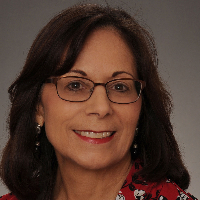
California · 18 yrs exp
Compassionate guidance for stress and relationships
Relationship · Family · Grief · Self esteem · +9 more
Read profile
California · 24 yrs exp
Guiding practical change for stress and anxiety
Stress, Anxiety · Addictions · Trauma and abuse · Self esteem · +9 more
Read profile
California · 13 yrs exp
Compassionate, practical therapy for stress and change
Stress, Anxiety · Trauma and abuse · Parenting · Depression · +7 more
Read profile
California · 40 yrs exp
Compassionate, practical therapy for stress and anxiety
Stress, Anxiety · Addictions · Relationship · Grief · +12 more
Read profile
California · 30 yrs exp
Experienced LCSW focused on practical change
Stress, Anxiety · Relationship · Family · Trauma and abuse · +6 more
Read profile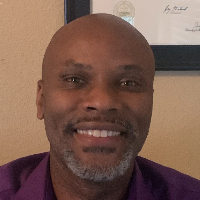
California · 25 yrs exp
Experienced therapist for stress and relationships
Stress, Anxiety · Relationship · Family · Depression · +11 more
Read profile
California · 22 yrs exp
Practical therapy for stress and anxiety
Stress, Anxiety · LGBT · Intimacy-related issues · Self esteem · +12 more
Read profile
California · 20 yrs exp
Compassionate counselor for stress and family concerns
Family · Trauma and abuse · Parenting · Anger · +9 more
Read profile
California · 4 yrs exp
Short-term goal-focused counselor
Stress, Anxiety · Addictions · Self esteem · Depression · +8 more
Read profile
California · 8 yrs exp
Calm, practical support for life’s pressures
Stress, Anxiety · Grief · Self esteem · Bipolar · +10 more
Read profile
California · 4 yrs exp
Compassionate, practical support for anxiety and life change
LGBT · Relationship · Family · Self esteem · +8 more
Read profile
California · 5 yrs exp
Calm guidance for stress and life changes
Stress, Anxiety · Relationship · Anger · Depression · +13 more
Read profile
California · 4 yrs exp
Compassionate LCSW helping reduce stress and anxiety
Stress, Anxiety · Addictions · Trauma and abuse · Self esteem · +10 more
Read profile
California · 7 yrs exp
Compassionate support for stress and anxiety
Stress, Anxiety · Self esteem · Bipolar · Depression · +6 more
Read profile
California · 8 yrs exp
Support for stress and anxiety
Stress, Anxiety · Addictions · Family · Trauma and abuse · +1 more
Read profile
California · 32 yrs exp
Calm, experienced guide for stress and anxiety
Stress, Anxiety · Addictions · Sleeping · Self esteem · +1 more
Read profile
California · 9 yrs exp
Practical, collaborative therapy for stress and anxiety
Stress, Anxiety · Addictions · Trauma and abuse · Grief · +1 more
Read profile
California · 11 yrs exp
Practical, steady support for stress and addiction
Addictions · Parenting · Anger · Self esteem · +5 more
Read profile
California · 18 yrs exp
Calm, practical support for stress and anxiety
Stress, Anxiety · LGBT · Grief · Self esteem · +1 more
Read profileOnline therapy has become a common way to access mental health care across California, from dense urban centers to rural communities. In recent years, the infrastructure for remote counseling has matured, and many practitioners list remote sessions among their offerings. If you live in California, most types of mental health professionals who provide therapy to state residents must hold an active California license under the appropriate licensing board. That means you can find clinicians who identify their preferred approaches, discuss anxiety and related concerns, and offer sessions via video or phone.
Regulatory frameworks in California set standards for telehealth practice and require clinicians to follow state law when working with residents. Technology makes it practical to work with someone who shares your language or cultural background, even if their office is miles away. While online therapy is widely available, it is not identical to in-person care - it removes travel time and can change the pacing and logistics of sessions. Understanding what to expect from an online format helps you make the most of remote sessions and choose a clinician whose methods align with your preferences.
Online therapy offers several practical advantages that may fit your lifestyle. You can avoid commuting across traffic-congested areas, which is particularly helpful in regions with long transit times. Remote sessions also expand your options if you live in an area with fewer local providers or if you want to connect with clinicians who list specialized approaches, specific cultural experience, or particular languages among their services.
For many people, the flexibility of scheduling and the ability to join sessions from a familiar environment can reduce barriers to care. Technology allows you to maintain continuity with the same clinician after moving within the state, which can be important for ongoing work. Remote care can also make it easier to involve family members or other supports when appropriate, since participants do not need to travel to a single office. Keep in mind that online therapy requires stable internet or phone access and a quiet place to meet, and that the therapeutic experience will be shaped by the digital medium as much as by the clinician's style.
Clinicians who provide online therapy in California address a wide range of concerns. Many people seek help for anxiety-related conditions, stress management, panic, and worry that interfere with daily life. Others pursue support for mood concerns such as persistent sadness, relationship struggles, life transitions, grief, and work-related stress. Therapists often work with clients on developing coping strategies, building emotional regulation skills, and improving communication and interpersonal patterns.
Some therapists list specialized approaches among their methods and may highlight cognitive-behavioral techniques, mindfulness-based practices, couples work, trauma-informed approaches, or EMDR among their approaches. When you review profiles, you can look for clinicians who describe experience with the kinds of issues you want to address. Many therapists also note experience with specific populations, such as adolescents, parents, older adults, or people from particular cultural backgrounds, which can help you find someone who understands your context and preferences.
Verifying a clinician's license is an important step when you are researching online therapists. In California, different types of mental health professionals are regulated by different state boards. Marriage and family therapists, clinical social workers, and professional clinical counselors are typically listed with the California Board of Behavioral Sciences. Psychologists are regulated by the California Board of Psychology. Psychiatrists and medical doctors fall under the Medical Board of California. Each board maintains an online license lookup where you can confirm a license number, active status, license type, and any disciplinary actions recorded by the state.
When you search a licensing board, look for the clinician's full name and license number, note the license expiration date, and review any public history the board provides. If a profile lists particular approaches, remember that the directory records only what clinicians report about their practice; boards document licensure and formal actions rather than therapeutic specialties. If you have questions about a license record or the scope of practice, the board's website typically includes contact information and resources to help you interpret the information you find.
Beginning online therapy often starts with narrowing your search to clinicians who list the approaches, populations, and languages that resonate with you. Read clinician profiles to understand their stated focus areas and how they describe their work. Some clinicians mention working with anxiety, while others highlight trauma, relationship issues, or life transitions. If a clinician lists particular modalities among their approaches, you can note that as a potential match but keep in mind that listings are self-reported and are not evidence of a specific credential in that method.
Once you have identified a few profiles that seem promising, prepare a short list of questions you want answered during an initial conversation. Typical topics include the clinician's general approach to therapy, how they structure sessions, session length and frequency, and how they handle cancellations or emergencies. You do not need to discuss personal details in depth before starting; a brief introductory conversation can help you get a sense of rapport and practical logistics. Choose a quiet, comfortable setting for your session, test your internet connection or phone, and confirm that the platform uses encryption and other privacy features to protect your communications.
Choosing a clinician often comes down to how comfortable you feel with their style and whether their experience aligns with your goals. Pay attention to how a clinician communicates in initial messages or calls - do they listen and respond to your concerns in a way that feels respectful and clear? Consider practical factors such as language match, cultural understanding, and therapeutic approaches that you prefer. If you are interested in a specific method, look for therapists who list that method among their approaches and ask how they incorporate it in sessions. It is normal to try a few sessions with different clinicians before finding the right fit, and you can treat early sessions as an opportunity to assess whether the working relationship feels helpful.
As you move forward, keep realistic expectations about the pace of progress and the differences between online and in-person work. Good communication about your goals, preferences, and any concerns about the format or scheduling will help you get the most out of online therapy. If you ever need clarification about licensure, scope of practice, or professional boundaries, state licensing boards can provide authoritative information about a clinician's legal standing to practice in California.
Anger
2604 therapists
Chronic Illness
827 therapists
Depression
4149 therapists
Grief
2913 therapists
Guilt and Shame
2898 therapists
Isolation / Loneliness
2612 therapists
Mood Disorders
2117 therapists
OCD
950 therapists
Panic Disorder and Panic Attacks
1892 therapists
Phobias
645 therapists
Post-Traumatic Stress
2353 therapists
Self Esteem
3869 therapists
Sleeping Disorders
853 therapists
Social Anxiety and Phobia
2504 therapists
Stress & Anxiety
4711 therapists
Trauma and Abuse
3280 therapists