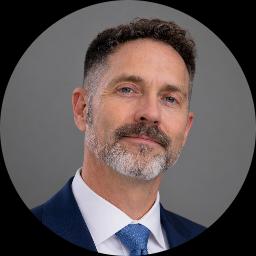
- Client-centered approach
- Motivational interviewing
- Faith-friendly when asked
About Roy
He has eleven years of clinical experience and holds LPCC and LPC credentials. Roy draws on his background in the United States Marine Corps to inform his sense of resilience and discipline. That experience shapes how he listens and partners with people under stress.
In sessions he focuses on what matters most to the person in front of him. Conversations move at a steady pace and center on concrete steps clients can try between visits. He uses motivational interviewing to build readiness for change and client-centered techniques to follow each person’s priorities.
Roy also addresses a wide range of addiction-related concerns, including substance use and process addictions. He helps people look at family of origin patterns, communication problems, and issues like guilt, shame, or struggles with intimacy and self-worth.
He welcomes the option to include spiritual or faith-based perspectives when that fits someone’s goals. The overall aim is steady progress toward clearer choices, healthier habits, and greater self-understanding.
If you want to begin, follow the site steps to match and schedule a session based on the therapist’s availability.
Areas of expertise
Primary focus
Also works with
Additional focus areas
Therapeutic approaches
Experience
11+ years
Credentials
California, Texas
Languages
English
How his approaches translate to online work
Client-Centered Therapy focuses on listening and following what matters most to the person. The therapist creates room for clients to set goals and guides conversations so the work stays relevant to day-to-day life. Motivational Interviewing helps people find internal reasons to change and break down big goals into manageable steps; it is useful for addiction, habit change, and moving through ambivalence.Choosing the right approach is part of the process. The therapist will work together with each client to decide which methods fit their goals, needs, and preferences. This collaborative process can adjust over time as priorities shift or as progress is made.
The biography does not list specific online session formats, so confirm the available options before booking. In general, online therapy can make it easier to fit sessions into a busy schedule, reduce travel time, and allow for shorter check-ins when needed. It also lets people use the same therapist across changes in location or routine, while still focusing on practical steps for stress, anxiety, addiction, and relationship concerns.
Frequently asked questions
What kinds of concerns does this therapist help with?
He works with addictions, stress and anxiety, relationship and family issues, parenting concerns, trauma and intimacy-related struggles. The profile lists several additional focuses like codependency and process addictions.
How would you describe his therapeutic style?
He uses a client-centered style that follows the person's priorities and motivational interviewing to support readiness for change. Sessions emphasize practical steps and steady progress.
How much experience does he have?
He has eleven years of clinical experience. His background includes service in the United States Marine Corps, which he says informs his work.
What credentials and location are listed?
He holds LPCC and LPC credentials and practices in California. The profile notes CA LPCC and TX LPC as credential details.
Which languages are supported and are international clients accepted?
Sessions are offered in English. International clients are not currently accepted.
What session formats are available?
The biography does not specify session formats. Please confirm current session options before scheduling.
How does cost work for sessions?
Cost varies with location and therapist availability. Sessions use a subscription that can be canceled at any time.
How do I begin working with him?
Use the Start Therapy button, complete the short matching questionnaire, and schedule according to the therapist's availability.