
Adrienne Norwood
LCSWNorth Carolina · 30 yrs exp
Calm guidance for stress and life change
LGBT · Relationship · Family · Trauma and abuse · +13 more
Read profileTherapist listings are provided by BetterHelp. We will earn a commission at no additional cost to you if you use our links to purchase.
Welcome to our directory of online therapists serving North Carolina. All listed therapists are licensed in North Carolina - explore profiles to compare approaches, credentials, languages, and focus areas to find a good fit.
North Carolina · 30 yrs exp
Calm guidance for stress and life change
LGBT · Relationship · Family · Trauma and abuse · +13 more
Read profile
North Carolina · 20 yrs exp
Calm, practical therapy for everyday struggles
Stress, Anxiety · Addictions · LGBT · Relationship · +1 more
Read profile
North Carolina · 7 yrs exp
Compassionate skills-based care for stress and anxiety
Stress, Anxiety · Trauma and abuse · Parenting · Anger · +1 more
Read profile
North Carolina · 16 yrs exp
Calm, practical support for stress and relationships
Stress, Anxiety · Relationship · Self esteem · Depression · +8 more
Read profile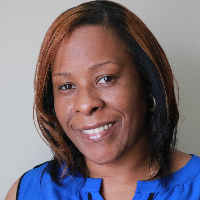
North Carolina · 9 yrs exp
Compassionate counselor focused on practical change
Anger · Self esteem · Coping with life changes · Compassion fatigue · +9 more
Read profile
North Carolina · 33 yrs exp
Compassionate, practical counseling for everyday stress
Stress, Anxiety · Grief · Anger · Depression · +12 more
Read profile
North Carolina · 6 yrs exp
Compassionate support for stress and life changes
Stress, Anxiety · Relationship · Family · Parenting · +10 more
Read profile
North Carolina · 7 yrs exp
Calm, practical support for life stressors
LGBT · Intimacy-related issues · Parenting · Self esteem · +13 more
Read profile
North Carolina · 13 yrs exp
Helping people reduce stress and regain purpose
Stress, Anxiety · Relationship · Trauma and abuse · Grief · +1 more
Read profile
North Carolina · 23 yrs exp
Calm, practical therapy for everyday stress
Stress, Anxiety · Relationship · Grief · Self esteem · +12 more
Read profile
North Carolina · 8 yrs exp
Compassionate counselor focused on practical change
Stress, Anxiety · Depression · ADHD · LGBT · +6 more
Read profile
North Carolina · 25 yrs exp
Experienced counselor for stress and relationships
Stress, Anxiety · Addictions · Relationship · Self esteem · +8 more
Read profile
North Carolina · 11 yrs exp
Compassionate, practical counseling for stress and anxiety
Stress, Anxiety · Relationship · Family · Trauma and abuse · +16 more
Read profile
North Carolina · 8 yrs exp
Calm, practical support for stress and anxiety
Stress, Anxiety · Self esteem · Depression · Coping with life changes · +5 more
Read profile
North Carolina · 7 yrs exp
Compassionate, practical support for anxiety and stress
Stress, Anxiety · Addictions · Self esteem · Bipolar · +5 more
Read profile
North Carolina · 30 yrs exp
Compassionate therapist for stress and life changes
Stress, Anxiety · Coping with life changes · Addictions · Relationship · +14 more
Read profile
North Carolina · 16 yrs exp
Experienced LPC focused on stress and change
Stress, Anxiety · Addictions · Relationship · Family · +1 more
Read profile
North Carolina · 22 yrs exp
Calm guidance for stress and life transitions
Stress, Anxiety · Relationship · Family · Depression · +4 more
Read profile
North Carolina · 10 yrs exp
Compassionate LPC focused on practical change
Stress, Anxiety · Relationship · Trauma and abuse · Self esteem · +5 more
Read profile
North Carolina · 11 yrs exp
Supportive LCSW focused on practical steps
Stress, Anxiety · Relationship · Self esteem · Depression · +1 more
Read profile
North Carolina · 7 yrs exp
Calm, practical support for stress and anxiety
Stress, Anxiety · Relationship · Self esteem · Depression · +1 more
Read profile
North Carolina · 5 yrs exp
Calm, practical support for stress and anxiety
Stress, Anxiety · Addictions · Self esteem · Depression · +1 more
Read profile
North Carolina · 23 yrs exp
Seasoned LCSW focused on stress and mood
Stress, Anxiety · Trauma and abuse · Bipolar · Depression · +1 more
Read profile
North Carolina · 4 yrs exp
Calm, practical help for stress and trauma
Stress, Anxiety · Relationship · Family · Trauma and abuse · +1 more
Read profileOnline therapy in North Carolina has become a common way for people to access mental health support across the state, from urban centers to rural communities. If you live in North Carolina and are looking for help with anxiety, relationship concerns, or life transitions, you can find licensed professionals who offer sessions over video, phone, or text-based messaging. Regulations generally require that a therapist be licensed in the state where you receive services, so therapists in this directory list North Carolina licensure. Platforms and individual clinicians vary in how they structure remote sessions, what technologies they use, and which client populations they describe as their focus. As you explore profiles, you will see a range of professional credentials, therapeutic approaches, languages spoken, and areas of specialization so you can identify clinicians whose descriptions fit your needs.
When considering online therapy, keep in mind that the mode of delivery - video, phone, or messaging - can influence the feel of sessions and the logistics you will manage. Many people choose online work because it reduces travel time and offers more flexibility for scheduling, while others prefer it because it allows them to connect with clinicians who share cultural background or professional focus that may not be available nearby. In North Carolina, online therapy is part of a broader continuum of behavioral health services; it complements in-person care and can be a first step for getting support, learning coping strategies, or exploring longer-term treatment options.
Online therapy offers practical advantages that can make seeking help easier and more consistent. If you live in a rural county or in a region where public transit options are limited, remote sessions remove the need for travel and make it simpler to fit visits into a workday or family schedule. You can choose a therapist based on specialty rather than proximity, which increases the likelihood that you will find someone who lists experience with anxiety, panic attacks, obsessive thinking, or other concerns that matter to you. For people managing busy households, caregiving responsibilities, or tight schedules, the flexibility of online sessions often lowers one barrier to starting therapy.
Beyond convenience, many people find that online sessions allow for greater continuity when life circumstances change. If you move within the state, change jobs, or have to quarantine due to illness, staying with the same clinician who is licensed in North Carolina can keep your work consistent. You should expect clinicians to outline how they protect your data and describe the platforms they use, so you can understand how your conversations are handled. While online therapy is not right for every situation, it can be an effective and accessible way to work on symptoms, learn new coping skills, and strengthen relationships.
Therapists who offer online services in North Carolina report helping people with a wide range of concerns. Anxiety-related difficulties, including generalized anxiety, panic symptoms, social anxiety, and health-related worry, are frequently listed areas of focus. Many clinicians also note experience with mood-related concerns such as depression, adjustment to life changes, grief, and stress related to work or caregiving. Relationship issues, including communication challenges, intimacy concerns, and family dynamics, are commonly addressed in online sessions as well.
Some therapists list specialized interests like trauma, obsessive-compulsive patterns, chronic health-related stress, or issues related to identity and minority stress. You may find clinicians who list cognitive-behavioral approaches, mindfulness-based strategies, psychodynamic perspectives, or supportive counseling among their approaches. Because profiles vary, you can look for language that resonates with your goals - whether you want skills-based work, a reflective therapy process, or an approach that acknowledges cultural and identity factors. If you have concerns about safety or need crisis-level support, it is important to identify local emergency resources in North Carolina since online therapy is not a substitute for immediate crisis intervention.
Verifying that a therapist holds an active license in North Carolina is an important step before beginning work. Most profiles will list a license type and number. You can confirm that information by using the state licensing search tools maintained by North Carolina boards that oversee counselors, social workers, psychologists, and marriage and family therapists. Licensing portals typically allow you to look up a practitioner by name or license number and will show basic details such as license status, expiration date, and any public disciplinary actions.
When you search, pay attention to the license type listed on the profile and make sure it matches what you find on the board site. If a profile lists a clinical credential that you do not find on the state site, you can reach out to the clinician and ask for clarification about licensure. It is also reasonable to ask practitioners to explain their professional background, years of experience, and the populations they work with. Confirming licensure provides assurance that the clinician is recognized by state regulators and gives you a point of reference for professional practice standards specific to North Carolina.
Starting with online therapy begins with clarifying what you want to accomplish and what factors are most important in a clinician. Some people prioritize shared cultural background or language, while others focus on a therapist's approach, session length, or experience with a specific difficulty like panic or trauma. As you review profiles, compare descriptions of approach and focus areas, look for mention of populations served, and note any languages spoken. Many profiles include short introductions or statements that explain how a clinician describes their work, which can help you imagine how a session might feel.
When you contact a therapist, you can ask about practical matters such as fees, session length, cancellation policies, and whether they provide documentation that you may need for insurance or workplace leave. It is fine to ask how they typically structure remote sessions and which platforms they use so you can judge whether the technology will work for you. You may also want to ask how they approach goal setting and progress - for example, whether they prefer a skills-focused course of work, an open-ended therapy process, or a combination. Trust your sense of comfort when you sample an initial session; rapport matters, and it is common for clients to try a few clinicians before finding a method and relationship that feels right.
Think about the environment where you will join sessions. Choose a quiet, personal area where you can speak freely and minimize interruptions. Check your internet connection and test audio and video equipment in advance. If you have concerns about information-sharing boundaries or data handling, ask the clinician to describe their privacy practices and any written policies they provide. If you use insurance, check with both the clinician and your insurer about coverage details and what documentation may be required. Finally, be patient with the process - building therapeutic momentum takes time, and good outcomes often emerge from consistent engagement and collaborative goal setting with your clinician.
Online therapy is one of several pathways to mental health support in North Carolina. By confirming licensure, comparing professional approaches, and prioritizing the practical features that matter to you, you can choose a clinician who fits your needs and begin work toward clearer coping strategies, better self-understanding, and improved day-to-day functioning. Use the directory to review profiles, gather questions to ask potential clinicians, and take the first step toward finding therapeutic support that aligns with your goals.
Anger
2604 therapists
Chronic Illness
827 therapists
Depression
4149 therapists
Grief
2913 therapists
Guilt and Shame
2898 therapists
Isolation / Loneliness
2612 therapists
Mood Disorders
2117 therapists
OCD
950 therapists
Panic Disorder and Panic Attacks
1892 therapists
Phobias
645 therapists
Post-Traumatic Stress
2353 therapists
Self Esteem
3869 therapists
Sleeping Disorders
853 therapists
Social Anxiety and Phobia
2504 therapists
Stress & Anxiety
4711 therapists
Trauma and Abuse
3280 therapists