- Client-centered approach
- Focus on stress relief
- Practical skill building
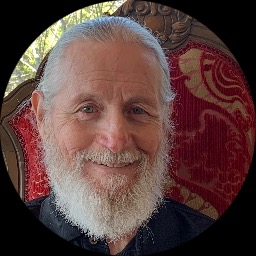
About Thomas
He listens for each person’s strengths and builds on what is already working. Conversations are direct and grounded. Sessions focus on small, manageable steps rather than long lectures or abstract theory.
Thomas draws on client-centered work to keep the conversation focused on the individual's experience. He also uses cognitive behavioral techniques to spot unhelpful thinking and test new behaviors in daily life. Existential ideas are used when people feel stuck by questions about meaning and purpose.
Over thirty years he has worked with a wide range of concerns including trauma, eating and sleeping problems, parenting stress, anger, self-esteem, career worries, and ADHD. He also addresses added stress from chronic illness, caregiving, divorce, and first responder roles.
Sessions aim to help people identify clear goals, practice new skills, and track small changes week to week. Thomas emphasizes collaboration - clients choose which concerns to prioritize and how fast to move. He supports people through realistic plans, not promises.
Areas of expertise
Primary focus
Also works with
Additional focus areas
Therapeutic approaches
Experience
30+ years
Credentials
Texas
Languages
English
How his approaches shape online work
Thomas often blends client-centered listening with cognitive behavioral tools. Client-centered work means the conversation follows what matters most to the client, helping them name goals and feel heard. Cognitive behavioral techniques look at thoughts and behaviors, testing small changes that can reduce anxiety or improve sleep.He may also draw on existential ideas when people face questions about purpose or major life transitions. Those conversations help clarify values and what kind of life a person wants to move toward. The therapist and client decide together which approaches to use based on needs and preferences, so treatment is a collaborative process rather than a fixed plan.
The practical advantages of online therapy can include easier scheduling, fitting sessions around work or caregiving, and shorter check-ins when needed. The biography does not list specific session formats, so confirm which formats are offered before booking. Thomas emphasizes finding a rhythm that fits daily life and goals, and he will work with each person to choose the pace and methods that suit them best.
Frequently asked questions
What kinds of problems does Thomas address?
He helps with stress and anxiety, addictions, relationship issues, grief, trauma, eating and sleeping concerns, parenting strain, anger, self-esteem, career change, ADHD, and related challenges.
How would you describe his therapy style?
He uses a straightforward, listening-first style that highlights clients' strengths and focuses on practical steps to reduce distress and build coping skills.
What is his background and experience?
Thomas is a Licensed Professional Counselor with 30 years of experience working with people facing a wide range of life and mental health challenges.
Where is he licensed and located?
He holds an LPC credential in Texas and practices there.
Can sessions be conducted in other languages or for international clients?
Sessions are offered in English. He is not accepting international clients at this time.
What session formats are available?
The original biography does not specify session formats. Please confirm current session options before booking.
How is cost handled?
Cost varies with location and therapist availability; sessions use a subscription that can be canceled at any time.
How do I begin working with him?
Select the Start Therapy button, complete a short matching questionnaire, and then schedule according to therapist availability.