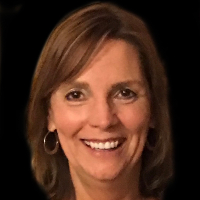
- Warm interactive style
- Practical coping skills
- Strengths focused
About Susan
She focuses on what is happening now and works with each person’s strengths. That means talking through specific problems, learning skills to manage difficult thoughts and feelings, and trying small changes that fit everyday life. Sessions draw on plain, usable tools rather than labels or complex jargon.
Her background includes long experience supporting people with depression, trauma, addictions, ADHD, grief, relationship difficulties, and co-occurring challenges such as brain injury and PTSD. Over her career she has worked with diverse concerns including sleep and eating issues, caregiver stress, and forgiveness work.
Clinically she integrates Acceptance and Commitment Therapy (ACT), Cognitive Behavioral Therapy (CBT), Dialectical Behavior Therapy (DBT), Emotionally-Focused Therapy (EFT), and client-centered approaches. She also uses motivational interviewing and mindfulness techniques when they fit the client's goals.
Sessions emphasize practical steps, steady support, and tailoring work to cultural and spiritual needs. People who want a counselor who listens, offers clear strategies, and helps plan small changes may find her approach useful.
Areas of expertise
Primary focus
Also works with
Additional focus areas
Therapeutic approaches
Experience
28+ years
Credentials
Texas
Languages
English
Therapeutic approaches useful for online work
Acceptance and Commitment Therapy (ACT) encourages noticing thoughts and feelings without getting stuck in them, then choosing actions that match personal values; it can help with ongoing anxiety, stress, and motivation challenges. Cognitive Behavioral Therapy (CBT) focuses on identifying unhelpful thinking patterns and testing them with practical experiments, which often helps with anxiety, depression, sleep, and eating difficulties. Client-Centered Therapy emphasizes listening, empathy, and the therapist’s nonjudgmental presence to help people feel understood and clarify their own goals.Choosing an approach is collaborative. The therapist will ask about what’s most bothersome, what goals feel important, and which methods feel workable. Together they adapt techniques and pace to suit each person’s needs and preferences rather than sticking to a single method.
Confirm current session options before booking because formats are not listed here. Online therapy can make it easier to fit sessions into a busy schedule, reduce travel time, and allow brief check-ins when a shorter contact is helpful. It can also let someone use video when visual cues matter or a phone call when bandwidth is limited. Discuss practical scheduling needs with the therapist to find the best way to make therapy part of everyday life.
Frequently asked questions
What concerns does this counselor address?
She works with a wide range of concerns including stress, anxiety, depression, trauma and abuse, addictions, ADHD, grief, relationship and intimacy-related issues, and caregiver stress.
What is the therapeutic style like?
The style is warm and interactive, focused on dignity and respect. Expect a strengths-based, practical approach that emphasizes skills and small changes.
How much clinical experience does she have?
She has 28 years of experience working as a counselor and in behavior modification and life coaching roles.
What credentials and location are listed?
She is a Licensed Professional Counselor (LPC) in Texas and practices from that state.
Are sessions offered in any languages besides English?
Sessions are offered in English.
Does she accept clients outside the United States?
She does not accept international clients at this time.
How are sessions billed or priced?
Cost varies with location and therapist availability, and sessions use a subscription that can be canceled at any time.
How do I begin if I want to work together?
Select the Start Therapy button, complete a short matching questionnaire, and schedule according to the therapist's availability.