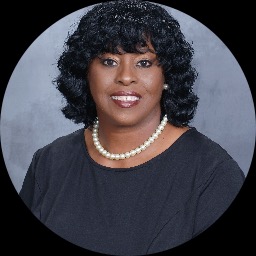
- 20 years experience
- Client-centered care
- Works with anxiety
About Shelia
She sees each person as the expert on their own life and looks for the strengths they already have. She uses straightforward conversation to sort out what is causing the day-to-day strain. Sessions focus on clear goals and small, doable steps that build forward momentum.
Her approach draws on several methods to match what a person needs in the moment. She uses client-centered listening to understand a person’s priorities. Cognitive Behavioral Therapy helps identify unhelpful thinking and change patterns that keep problems active. Emotionally-Focused ideas guide work on close relationships and how feelings shape interactions.
People often come for help with life transitions, parenting stress, grief, intimacy concerns, career pressure, or anger. Shelia also supports those coping with abandonment, attachment concerns, body image, and blended family dynamics. Her work addresses both immediate coping and longer-term changes.
Conversations are practical and respectful, aimed at helping people regain a sense of control and hope. Shelia encourages steps that fit a person’s life and values, and she works collaboratively to find what helps most.
Areas of expertise
Primary focus
Also works with
Additional focus areas
Therapeutic approaches
Experience
20+ years
Credentials
Texas
Languages
English
Therapeutic approaches and how they fit online work
Client-Centered Therapy focuses on listening and understanding each person's priorities. The therapist follows the client's lead, helping people name what matters and build on their strengths. This approach can be helpful for anxiety, stress, and life changes because it centers the client's goals and values.Cognitive Behavioral Therapy, or CBT, looks at how thoughts, feelings, and actions connect. It offers clear strategies to test and change habits of thinking and behavior that keep stress or anxiety going. CBT is often used for worry, panic, low mood, and problems with coping in daily life.
Emotionally-Focused Therapy concentrates on how emotions shape important relationships. It can help people improve closeness and resolve recurring conflicts by understanding emotional patterns and responses.
Finding the right approach is part of the work together. The therapist will talk with the person about their goals and preferences, and then recommend and try approaches that fit. This is a collaborative process and can change as needs evolve.
Session formats are not listed in the biography, so confirm current options before booking. Online work can make scheduling easier and help sessions fit around work, school, or caregiving. It also lets people choose conversation styles that suit them, such as more action-focused sessions or slower reflective work.
Frequently asked questions
What kinds of concerns does this therapist address?
She helps people with stress, anxiety, relationship difficulties, trauma and abuse, addiction, depression, grief, parenting strain, career stress, and related concerns.
What is the general style of therapy?
Sessions are practical and collaborative. She emphasizes listening first, then works with clients to set goals and practice small changes that build momentum.
How much clinical experience does this counselor have?
She has 20 years of professional work experience providing counseling and support to people with a range of concerns.
What credentials and location are listed for this therapist?
She holds an LPC credential and is licensed in Texas.
Which languages are sessions offered in?
Sessions are offered in English.
Can international clients work with this therapist?
International clients are not currently accepted.
How does payment and cost work?
Cost varies with location and therapist availability. Sessions use a subscription that can be canceled at any time.
What steps do I take to begin working with this therapist?
Click the Start Therapy button, complete a short matching questionnaire, and schedule according to therapist availability.