- Practical coping tools
- Trauma-informed care
- Client-centered focus
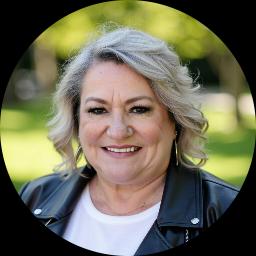
About Sarah
She earned a Bachelor of Science in Psychology from Texas Tech University and a Master of Arts in Community Counseling from Webster University. Over 19 years she has provided services ranging from case management to individual counseling. That breadth informs a flexible, down-to-earth approach to care.
Her work often centers on trauma and sexual abuse, including domestic violence concerns, and on helping people manage depression and debilitating anxiety. She uses simple, solution-focused strategies when immediate relief is needed. She also draws on approaches that look deeper when the root of a problem needs exploration.
Her methods include acceptance and commitment ideas, cognitive behavioral techniques, dialectical behavior strategies, emotionally-focused work, and a client-centered stance. Sessions are conversational and practical, with tools taught that people can use between meetings.
Sarah emphasizes listening first, then building a plan with each person’s priorities in mind. She invites people to share their stories and to work toward clearer goals, better coping, and more satisfying relationships. The focus is on steady progress rather than quick fixes.
Areas of expertise
Also works with
Additional focus areas
Therapeutic approaches
Experience
19+ years
Credentials
Texas
Languages
English
How therapeutic approaches guide online work
Acceptance and Commitment Therapy (ACT) helps people name values and take small actions toward them. It emphasizes accepting difficult thoughts while committing to meaningful behavior changes, which can help with persistent anxiety and stress. Cognitive Behavioral Therapy (CBT) focuses on identifying unhelpful thinking and testing new behaviors. It is practical and skill-based, useful for depression and worry when someone wants clear tools to practice between sessions.Finding the right approach is part of the process. The therapist will listen to what is most pressing and collaborate with each person to choose techniques that fit their goals and preferences. That means blending methods when needed and checking in to see what is working as therapy progresses.
Session formats were not listed in the biography, so confirm available options before booking. Online work can make it easier to fit counseling into a busy life - for example, sessions can be scheduled around work breaks, eliminate travel time, or allow shorter check-ins when needed. Whether someone needs hands-on skill practice, paced emotion work, or practical problem-solving, the focus is on approaches that can be used in everyday settings and routines.
Frequently asked questions
What concerns does she address?
She supports people with stress, anxiety, trauma and abuse, grief, depression, and coping with life changes. Relationship, parenting, anger, and self-esteem issues are also within her focus.
What is her general therapeutic style?
Her style is flexible and conversational. She combines solution-focused techniques with deeper, longer-term work depending on what a person needs.
How much clinical experience does she have?
She has 19 years of experience offering services from case management to individual counseling.
What credentials and location are listed?
She is a Licensed Professional Counselor, LPC, practicing in Texas.
Which languages are supported and can she see international clients?
Sessions are offered in English, and she is not currently accepting international clients.
What session formats are available?
Session formats were not specified in the biography; confirm current session options before booking.
How does pricing work?
Cost varies with location and therapist availability; sessions use a subscription that can be canceled at any time.
How do I begin working together?
Select the Start Therapy button, complete a short matching questionnaire, and schedule according to therapist availability.