- Client-centered focus
- Cognitive-behavioral tools
- Mindfulness practices
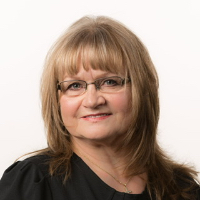
About Norma
She has 15 years of experience offering individual and group support. Much of her background includes crisis and trauma work and helping people living with depression, bipolar mood concerns, and substance use. Norma has also offered care for people facing grief, relationship problems, parenting strain, and work-related burnout.
In sessions she uses methods that focus on the person’s needs. That includes client-centered work that follows the client’s goals, cognitive behavioral techniques that target unhelpful thoughts and habits, and mindfulness practices to reduce reactivity. She also draws on dialectical behavior ideas and motivational interviewing to help people set realistic goals and stick with them.
Norma often introduces creative ways to support progress, such as writing, movement, guided breathing, or life-story work. She focuses on developing coping skills that help stabilize mood and behavior. Conversations are straightforward and aimed at making daily life easier to manage.
To begin, she asks people to identify current concerns and practical goals. From there she helps build routines and skills that fit each person’s situation. Norma emphasizes steady steps and problem-solving rather than quick fixes.
Areas of expertise
Primary focus
Also works with
Additional focus areas
Therapeutic approaches
Experience
15+ years
Credentials
Louisiana, Texas
Languages
English
Therapeutic approaches and online care
Norma uses client-centered therapy to keep sessions focused on each person’s priorities. That means conversations follow what matters most to the client, and the pace and topics are chosen together to match goals and comfort.She also uses cognitive behavioral therapy, which looks at thoughts and daily habits that keep problems going. CBT offers practical exercises and small behavior changes that can reduce anxiety and improve sleep and mood.
Finding the right approach is part of the work. Norma will collaborate with each person to decide whether client-centered support, CBT techniques, or mindfulness practices fit best. Goals, daily routines, and preferences help guide the plan so it feels manageable.
If you are considering online sessions, confirm the current session options before booking. The main practical benefit is that therapy can fit into a busy life more easily - appointments can be scheduled around work, caregiving, or other commitments. Online work also allows quicker check-ins and the chance to try techniques between sessions and report back. Licensed professionals can help tailor session length and frequency to what works best for each person.
Frequently asked questions
What concerns does Norma commonly address?
She works with a broad range of concerns including stress, anxiety, depression, addictions, relationship problems, trauma and grief.
What is her therapeutic style like?
The approach is practical and person-focused, using client-centered listening combined with cognitive behavioral and mindfulness techniques to build coping skills.
What experience does she bring to sessions?
Norma has 15 years of clinical experience, much of it in crisis and trauma settings and with adults facing mood and substance-use challenges.
Where is she licensed and based?
She holds the LPC credential and practices in Texas with licensure in Texas and Louisiana noted.
Which languages are supported for therapy?
Sessions are offered in English.
Can people outside the United States work with her?
International clients are not currently accepted.
How are sessions paid for and what does cost look like?
Cost varies by location and therapist arrangements; sessions use a subscription that can be canceled at any time.
How do I begin if I want to work with Norma?
Start by selecting the Start Therapy button, complete a short matching questionnaire, and then schedule according to therapist availability.