- Practical coping skills
- Goal-focused support
- Mindfulness tools
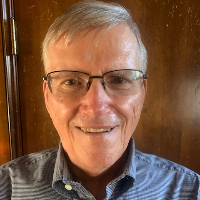
About Myron
Myron uses straightforward, practical methods in sessions. He listens, validates what clients are feeling, and helps set clear goals. Sessions focus on problem-solving, building coping skills, and small changes that add up over time.
Many people come to him for help with panic, social anxiety, post-traumatic stress, and compulsive behaviors. He also supports men facing identity and fatherhood challenges, and young adults navigating career and life-purpose questions. He frames work around the client’s priorities and day-to-day needs.
Therapeutic tools Myron draws on include cognitive behavioral techniques and Acceptance and Commitment Therapy. He also uses client-centered and mindfulness-based strategies to help calm racing thoughts and improve focus. Those methods are used flexibly to match each person’s situation.
People who choose him can expect a steady, experience-based approach. He encourages small steps, skill practice between sessions, and regular check-ins on progress. Myron aims to help clients regain a sense of control and build more sustainable routines.
Areas of expertise
Primary focus
Also works with
Additional focus areas
Therapeutic approaches
Experience
50+ years
Credentials
Texas, Texas, New Jersey, New Mexico
Languages
English
How his approaches translate to online work
Acceptance and Commitment Therapy, or ACT, focuses on helping people accept difficult thoughts and feelings while taking actions that match their values. It can be useful for stress, anxiety, and making life changes. Cognitive Behavioral Therapy, or CBT, centers on identifying and changing unhelpful thought patterns and behaviors to reduce symptoms like panic, low mood, and obsessive thinking.Finding the right approach is part of the work. The therapist collaborates with each person to choose and adjust methods based on their goals, needs, and what feels most helpful. That collaborative process may involve trying different techniques and checking in on what is or isn't working.
Confirm current session formats before booking so you know what options are available. Online sessions can make it easier to fit therapy into a busy schedule, shorten travel time, and allow for more consistent weekly check-ins. They also let people use phone or video when one option suits a quieter check-in or when camera use is not preferred.
Frequently asked questions
What kinds of problems does he help with?
He supports people dealing with stress, anxiety, depression, and low self-esteem. He also addresses addictions, relationship and family concerns, trauma, grief, sleep issues, and work-related stress.
What is his therapy style like?
His style is practical and down-to-earth. He listens, validates emotions, helps set goals, and teaches skills clients can use between sessions.
How much experience does he have?
He brings 50 years of professional experience practicing in multiple states. That background informs a steady and experienced approach to common and complex concerns.
What credentials and location are listed?
He holds LPC and LPA credentials and is located in Texas. The profile lists his licensure as TX LPC and TX LPA.
Which languages are sessions offered in?
Sessions are offered in English.
Can international clients work with him?
He is not currently accepting international clients.
How does cost and payment work?
Cost varies with location and therapist availability. Sessions use a subscription model that can be canceled at any time.
How do I begin a session with him?
Click the Start Therapy button, complete a short matching questionnaire, and schedule according to the therapist's availability.