- Experience driven care
- Goal oriented work
- Practical coping tools
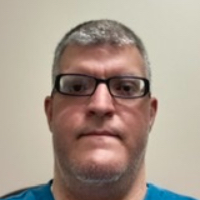
About Michael
He listens without rushing and focuses on what matters most to each person. Sessions are conversational and aim to identify small, practical steps that fit daily life. Michael draws on several therapy styles to match the work to the client's goals rather than using a single approach every time.
Over his career he has supported people facing addictions, grief, trauma, and major life transitions. He also addresses issues such as self-esteem, intimacy concerns, communication problems, and workplace stress. Clients often seek help for depression, bipolar challenges, and managing anger or compulsive behaviors.
Michael uses methods that include Acceptance and Commitment Therapy, cognitive behavioral approaches, Dialectical Behavior Therapy skills, client-centered work, and existential perspectives. Those tools are used to help people notice patterns, try new behaviors, and clarify what matters most to them.
He aims to build a practical plan each person can use between sessions. Michael emphasizes collaboration, clear goals, and straightforward strategies so progress can be noticed step by step.
Areas of expertise
Primary focus
Also works with
Additional focus areas
Therapeutic approaches
Experience
17+ years
Credentials
Tennessee
Languages
English
How specific approaches are used in online work
Acceptance and Commitment Therapy helps people notice painful thoughts without getting stuck in them and to take actions that match their values. It can be useful for anxiety, stress, and making changes when life feels uncertain. Cognitive Behavioral Therapy focuses on identifying unhelpful thinking and testing new behaviors to reduce symptoms like depression and panic. It is practical and often includes exercises to try between sessions. Dialectical Behavior Therapy offers skills for managing intense emotions and improving relationships through distress tolerance, emotion regulation, and interpersonal effectiveness.Finding the right approach is part of the work. The therapist will talk with each person about goals and preferences and then suggest approaches that fit those aims. That decision is collaborative and can shift as needs change over time.
Confirm current session options before booking since formats are not listed here. Online therapy can help fit sessions into a busy life by removing travel time, allowing shorter check-ins when needed, and making it easier to schedule around work or caregiving. It also makes it possible to use worksheets, in-session coaching, and skill practice in ways that transfer directly to everyday routines.
Frequently asked questions
What concerns does Michael commonly help with?
He supports people dealing with stress and anxiety as well as addictions, depression, trauma and grief. Other areas include self-esteem, intimacy issues, relationship communication, and career stress.
What is his general therapy style?
His style is conversational and goal focused, using practical steps you can try between sessions. He adapts methods to each person's needs rather than following one rigid approach.
How much clinical experience does he have?
He has 17 years of experience providing psychotherapy and support for a wide range of life challenges.
What credentials and location are listed?
He holds an LCSW credential and practices in Tennessee.
Which languages are supported for sessions?
Sessions are offered in English only.
Does he work with international clients?
International clients are not currently accepted.
How are sessions priced?
Cost varies with location and therapist availability; sessions use a subscription that can be canceled at any time.
How do I begin working with him?
Start by selecting the Start Therapy button, complete a short matching questionnaire, and schedule according to the therapist's availability.