- Practical coping skills
- Mindfulness and ACT
- Support for grief
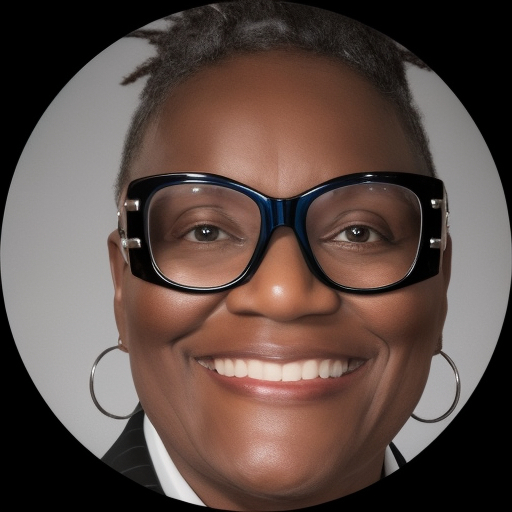
About Mary
She focuses on practical skills people can use day to day. Sessions often center on coping strategies, emotion regulation, and clearer communication. Mary draws on methods that teach breathing, mindfulness, and ways to spot thought patterns that worsen distress.
With 34 years of experience, Mary has encountered many kinds of life challenges. That background informs how she tailors sessions to each person’s needs. She pays attention to what matters most to the client and adjusts tools and pace accordingly.
People come to her for help with depression, relationship strain, caregiving stress, chronic pain or illness, and feelings of emptiness or isolation. She also works with grief, end-of-life concerns, and forgiveness issues in ways that honor each person’s story.
Her style is collaborative and goal-focused. Mary helps clients set realistic steps, practice new skills between meetings, and track progress. To begin, prospective clients complete a short matching questionnaire and schedule sessions based on therapist availability.
Areas of expertise
Primary focus
Also works with
Additional focus areas
Therapeutic approaches
Experience
34+ years
Credentials
Texas
Languages
English
Therapeutic approaches and how they fit with online care
Acceptance and Commitment Therapy (ACT) helps people notice painful thoughts and feelings without getting stuck in them. It emphasizes values and small actions that move someone toward a more meaningful life, which can be useful for stress, anxiety, and life transitions.Client-Centered Therapy focuses on listening, empathy, and respect so the person can lead the pace and topics. This approach supports people who need a gentle, validating space to process grief, caregiver strain, or identity concerns.
Finding the right approach is part of the work. Mary collaborates with each person to choose methods that fit their goals and comfort. She will discuss which tools to try and adjust them based on how they land in real life.
For online therapy logistics, confirm the session formats before booking since the biography does not list specific options. Many people find remote sessions help fit therapy into busy schedules, reduce travel time, and make it easier to keep regular appointments. Other practical benefits include shorter check-ins when time is limited, options that don’t require being on camera, and easier access when juggling caregiving or health needs. Licensed professionals can help match the session rhythm and tools to everyday life so therapy feels manageable.
Frequently asked questions
What concerns does Mary commonly address?
She works with stress, anxiety, addiction, depression, relationship and family issues, grief, parenting strain, and coping with life changes.
How would you describe her therapeutic style?
Her style is collaborative and practical, focusing on skills like mindfulness, emotion regulation, and changing unhelpful thoughts.
What is her professional background?
Mary has 34 years of clinical experience supporting people through addiction recovery, grief, caregiving stress, and other long-term concerns.
What credentials and location are listed?
She holds an LCSW and practices in Texas.
Which languages are supported and can international clients be seen?
Sessions are offered in English and international clients are not currently accepted.
What session formats are offered?
Confirm current session options before booking, as the biography does not list specific session formats.
How are fees handled?
Cost varies with location and therapist availability; sessions use a subscription that can be canceled at any time.
How do I begin working with Mary?
Select the Start Therapy button, complete a short matching questionnaire, and schedule according to therapist availability.