- Client-centered approach
- Mindfulness practice
- Practical coping skills
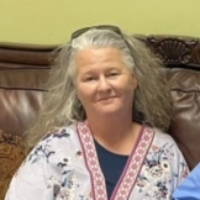
About Lora
She works with a wide range of issues including depression, trauma and abuse, compassion fatigue, grief, ADHD, addiction, and relationship or intimacy-related struggles. Lora also supports people dealing with abandonment, attachment concerns, sensory processing differences, and identity questions related to LGBT experiences.
Her approach is collaborative and flexible. She uses client-centered methods and draws on cognitive behavioral ideas, emotionally-focused strategies, Jungian perspectives, and mindfulness practices depending on what the person needs. She often combines practical steps with reflective conversation so clients can notice patterns and try small changes.
Lora has worked in inpatient psychiatric care, long-term residential programs, outpatient clinics, in-home care, and community support services. This variety of settings informs how she adapts sessions to different life circumstances and stressors.
To begin, she asks people to describe what feels most pressing and to set goals together. Sessions focus on what will make life more manageable day to day, from coping skills to improving communication and self-understanding.
Areas of expertise
Primary focus
Also works with
Additional focus areas
Therapeutic approaches
Experience
13+ years
Credentials
Texas
Languages
English
How Lora’s approaches translate to online therapy
Client-Centered Therapy focuses on listening and understanding the person’s experience without judgment. This approach helps people feel heard and clarifies what matters most to them. Cognitive Behavioral Therapy (CBT) looks at patterns of thought and behavior and teaches practical skills to change unhelpful reactions. CBT can be useful for stress, anxiety, and mood concerns. Mindfulness Therapy teaches simple attention and breathing practices to reduce stress and anchor attention in moments of overwhelm.Choosing the right approach is a collaborative process. The therapist will talk with each person about their needs, goals, and preferences and then try methods that best fit those goals. Adjustments are made over time so the work stays useful and relevant to everyday problems.
Session logistics should be confirmed before booking since formats are not listed here. Online therapy can make it easier to fit sessions into a busy week, save travel time, and allow shorter check-ins when life is hectic. It can also let someone access a licensed professional who has specific experience, like working with trauma or grief, without needing to change their daily routine.
Frequently asked questions
What kinds of problems does she help with?
She supports people with stress, anxiety, depression, trauma and abuse, compassion fatigue, grief, relationship and intimacy concerns, ADHD, addictions, and related issues.
What is her therapy style like?
Her style is casual, warm, and non-judgmental with a sense of humor when appropriate. She focuses on meeting people where they are and working together on achievable goals.
How much experience does she have?
She has 13 years of experience working as a mental health professional in a variety of settings.
What are her credentials and where is she based?
She holds the LPC credential, Licensed Professional Counselor, and practices in Texas.
Can someone who lives outside the United States work with her?
She accepts international clients and offers services to people outside the U.S.
Which session formats are offered?
Session formats are not specified here; please confirm current session options before booking to be sure they meet your needs.
How does payment work and what does it cost?
Cost varies with location and therapist availability; sessions use a subscription that can be canceled at any time.
What steps are needed to start therapy?
Select the Start Therapy button, complete a short matching questionnaire, and schedule according to therapist availability.