- Focus on coping skills
- Collaborative approach
- Works in Texas
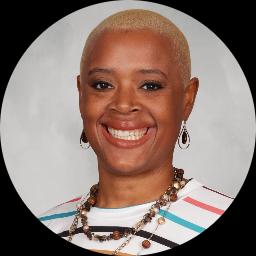
About LaTonyia
She draws on a mix of well-established approaches, including cognitive behavioral methods and acceptance-based work, while keeping conversations centered on the person in front of her. Sessions typically involve talking through current problems, practicing new skills, and setting small, doable goals. The goal is to build tools that help outside of the therapy hour.
Fleming pays attention to how attachment and relationships shape what people struggle with. She also addresses concerns such as self-esteem, body image, codependency, and communication problems. Practical worries like money stress, life transitions, and feelings of emptiness are also part of her focus.
Clients can expect straightforward guidance that blends problem-solving with emotional processing. She emphasizes connection and compassion while tailoring work to each person’s needs. Her approach aims to help people make steady changes without overwhelming them.
LaTonyia has six years of clinical experience and practices in Texas. She conducts sessions in English and asks new clients to use the site’s Start Therapy flow to match and schedule their first appointment.
Areas of expertise
Primary focus
Additional focus areas
Therapeutic approaches
Experience
6+ years
Credentials
Texas
Languages
English
How her approaches guide online work
Acceptance and Commitment Therapy (ACT) helps people notice difficult thoughts and feelings without getting stuck in them. It emphasizes values-based action so clients can take meaningful steps even when stress or anxiety shows up. Cognitive Behavioral Therapy (CBT) focuses on identifying unhelpful thought and behavior patterns and practicing different ways of responding to reduce distress and improve daily functioning. Attachment-Based Therapy looks at how early and ongoing relationships influence how people connect and cope, which is useful for relationship concerns and codependency issues.Finding the right approach is part of the work. The therapist will collaborate with each person to decide which methods fit their goals and preferences. That may mean combining elements from different approaches and adjusting as progress and needs change.
Confirm the session formats before booking since specific online options are not listed here. In general, online therapy can help fit sessions into a busy life by reducing travel time and offering more flexible scheduling. It also makes it easier to check in during breaks, have shorter follow-ups when needed, or avoid camera use on days when that feels hard. Licensed professionals can adapt exercises and homework to work well in remote appointments, helping people practice coping skills between sessions.
Frequently asked questions
What concerns does she help with?
She focuses on stress and anxiety and also addresses relationship strain, low self-esteem, depression, and coping with life changes.
What is her therapeutic style like?
Her style is collaborative and person-centered, combining practical skill building with emotional exploration to help people manage daily stressors.
How much clinical experience does she have?
She has six years of experience providing counseling services.
What credentials and location information are available?
She holds the LPC credential and practices in Texas.
Which languages are supported for sessions?
Sessions are offered in English.
Are international clients accepted?
International clients are not currently accepted.
How are sessions paid for and what does cost look like?
Cost varies by location and therapist availability; sessions use a subscription that can be canceled at any time.
How do I get started with therapy?
Click the Start Therapy button, complete a short matching questionnaire, and schedule according to therapist availability.