- Values-driven work
- Skills for daily life
- Warm and direct
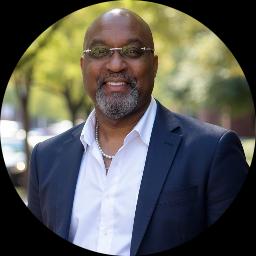
About James
He combines practical tools with attentive listening. Sessions focus on understanding what feels hardest now, naming unhelpful patterns, and trying small changes that can ease daily life. Goals are set together and adjusted as needed so progress feels manageable.
James draws on several clinical approaches to match each person's needs. He uses techniques from cognitive behavioral therapy to challenge negative thinking and from acceptance and commitment therapy to clarify values and build committed action. Attachment-based ideas help him look at how past relationships shape current patterns.
He emphasizes skills people can use between meetings, like emotion regulation strategies and clearer communication habits. Work may include practicing new responses, noticing triggers, and planning concrete next steps for difficult situations. The focus is on real-world change rather than abstract theory.
James has three years of clinical experience and holds LPC credentials. He works with adults in Alabama and also accepts clients internationally. Sessions and scheduling follow the platform process for matching and booking.
Areas of expertise
Primary focus
Also works with
Additional focus areas
Therapeutic approaches
Experience
3+ years
Credentials
Alabama, Georgia
Languages
English
Approaches That Guide Online Work
James commonly uses cognitive behavioral therapy to help people identify and change thinking patterns that increase stress and anxiety. CBT focuses on practical exercises and step-by-step behavior changes that can reduce worry and improve mood.He also draws on acceptance and commitment therapy, which helps people clarify what matters to them and take small actions toward those values even when difficult feelings are present. This approach is helpful for coping with chronic stress and life transitions.
Finding the right approach is part of the work. James partners with each person to choose methods that fit their goals and comfort level. Sessions adapt over time as needs change, and he invites clients to give feedback so the plan stays useful and realistic.
If you plan to try online therapy, confirm the available session formats before booking since the biography does not list them. Many people find online sessions helpful for fitting appointments into a busy day, reducing travel time, or using shorter check-ins when schedules are tight. Therapists can tailor exercises and between-session tasks to work well in a remote setting and help people practice new skills in their everyday environment.
Frequently asked questions
What kinds of issues does James focus on?
He focuses on stress and anxiety along with concerns like addiction, relationship and family issues, grief, trauma, parenting, self-esteem, and career challenges.
What is his therapy style like?
Sessions are practical and collaborative with a warm tone. He mixes skill teaching, problem solving, and reflective conversation to help people make changes.
What experience does he bring?
He has three years of clinical experience working with adults on a range of concerns including mood difficulties, coping with life changes, and addiction recovery.
Where is he licensed and based?
James holds LPC credentials and practices in Alabama; he also accepts clients internationally.
Which languages are supported for sessions?
Sessions are offered in English.
What session formats are available?
The original biography does not list specific session formats; please confirm the current session options before booking.
How are fees and payment handled?
Cost varies with location and therapist availability, and sessions use a subscription that can be canceled at any time.
How do I begin working with him?
Use the Start Therapy button, complete a short matching questionnaire, and schedule according to therapist availability.