- Practical steps
- Nonjudgmental space
- Evidence-based care
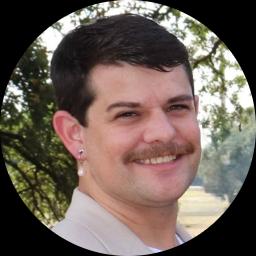
About Jefferson
He uses straightforward conversation and active listening to clarify what matters most to each person. Sessions focus on small, practical steps that fit into daily life. Jefferson emphasizes building confidence, improving self-esteem, and reducing overwhelm through steady progress rather than quick fixes.
Jefferson draws on evidence-based therapeutic techniques to address trauma, PTSD, and patterns that keep people stuck. He can help with social anxiety, isolation, and relationship concerns like communication and non-monogamous dynamics. He is also familiar with issues related to sexuality, kink and alternative sex culture, and living with HIV or AIDS.
People meet Jefferson for help with guilt, shame, life purpose, and seasonal mood shifts. He frames therapy as a partnership where clients set goals and he offers structure and feedback. The work can include identifying unhelpful thinking, practicing new ways of relating, and building routines that reduce anxiety.
Jefferson has three years of clinical experience and practices in Texas. Sessions are offered in English. To start, visitors select the Start Therapy button, complete a short matching questionnaire, and schedule a session based on the therapist's availability.
Areas of expertise
Primary focus
Additional focus areas
Experience
3+ years
Credentials
Texas
Languages
English
How therapeutic approaches translate to online care
Jefferson uses evidence-based therapeutic techniques that focus on understanding thoughts and changing unhelpful patterns. One common approach helps people notice and reframe anxious thoughts so they cause less distress; this can be useful for social anxiety, generalized worry, and mood concerns. Another approach centers on processing traumatic memories in a paced way while teaching coping skills for overwhelming feelings, which can help with post-traumatic stress and trauma-related symptoms.Finding the right approach is a collaborative process. Jefferson will work with each person to identify goals, try methods that fit their needs, and adjust the plan based on what is or isn’t working. Sessions are framed as teamwork where both therapist and client decide what to focus on next.
The practical benefits of online therapy include easier scheduling and fitting sessions into a busy life. Because session formats are not specified in the therapist biography, confirm current options before booking to know what is offered. Online work can allow for shorter check-ins, more frequent brief touchpoints, or hour-long sessions that match a client’s routine and energy levels.
Frequently asked questions
What concerns does Jefferson commonly address?
He helps people with stress and anxiety, depression, trauma and abuse, and LGBT-related issues. Additional focuses include sexual concerns, social anxiety, isolation, and relationship communication.
How would you describe his therapeutic style?
Jefferson uses direct conversation and active listening to create an open, nonjudgmental space. He works collaboratively to set goals and practice small, practical steps between sessions.
What is his clinical background?
He has three years of professional experience working with people on stress, anxiety, self-esteem, and trauma-related concerns.
What credentials and region are listed?
He is a Licensed Professional Counselor, LPC, practicing in Texas.
Which languages are supported for sessions?
Sessions are offered in English.
Can international clients work with him?
He is not currently accepting international clients.
How are session costs handled?
Cost varies with location and therapist availability; sessions use a subscription model that can be canceled at any time.
How do I begin therapy with him?
Use the Start Therapy button, fill out a short matching questionnaire, and then schedule a session according to the therapist's availability.