- Stress and anxiety
- Practical coping skills
- Collaborative care
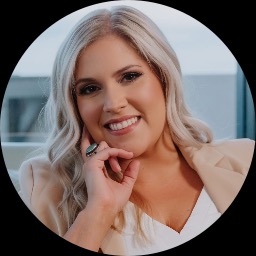
About Jacqueline
She uses straightforward, practical methods. Sessions focus on understanding what is causing distress and building skills to cope. Jacqueline draws on Client-Centered Therapy to keep the person’s goals central, and on Cognitive Behavioral Therapy to identify unhelpful thinking and try different ways of responding.
Her background includes work in psychiatric hospitals, community mental health centers, and private practice. That variety has shaped a flexible approach to different life situations, from mood disorders and addiction concerns to issues like isolation, communication problems, and codependency.
Jacqueline encourages small, manageable steps such as self-care routines and behavior changes that fit a person’s daily life. She aims to tailor each session to the individual rather than use a one-size-fits-all plan.
With nine years of experience in the mental health field and a master’s degree in Clinical Mental Health Counseling, Jacqueline combines practical tools with a respectful, collaborative stance. She invites people to try therapy as a way to build coping skills and regain a sense of control.
Areas of expertise
Primary focus
Also works with
Additional focus areas
Therapeutic approaches
Experience
9+ years
Credentials
Texas
Languages
English
How Jacqueline Uses Client-Centered Work and CBT Online
Client-Centered Therapy focuses on the person’s own goals and pace. The therapist listens without judgment, reflects what she hears, and helps people clarify what matters most to them. This approach can help people who feel stuck, overwhelmed, or unsure where to start.Cognitive Behavioral Therapy (CBT) looks at the links between thoughts, feelings, and actions. It uses practical exercises to test unhelpful thoughts and to build new coping habits. CBT is often used for anxiety, mood concerns, and stress management.
Finding the right approach is part of the work together. Jacqueline will discuss goals, try different techniques, and adjust the plan based on how a person responds. The process is collaborative and paced to the client’s needs and preferences.
Session formats are not specified in the biography, so confirm the current options before booking. Online therapy can make it easier to fit sessions into a busy life by removing commute time, allowing shorter check-ins during a lunch break, or avoiding the need to be on camera when that feels difficult. Licensed professionals use these options to help people maintain consistency while working on stress, anxiety, and related concerns.
Frequently asked questions
What concerns does Jacqueline help with?
She supports people with stress and anxiety and works with related concerns like depression, trauma and abuse, grief, parenting strain, addictions, and sleep or eating difficulties.
What is her therapy style like?
Her style is warm and non-judgmental. Sessions are collaborative and focus on practical skills that fit into everyday life.
How much experience does she have?
Jacqueline has nine years of experience in the mental health field, including work in hospitals, community mental health centers, and private practice.
What credentials and region apply to her practice?
She holds the LPC credential and practices in Texas as a Licensed Professional Counselor.
Which languages are supported and can she see international clients?
Sessions are offered in English. International clients are not currently accepted.
What session formats are available?
Current session formats are not specified here; please confirm the therapist's available session types before booking.
How does cost and billing work?
Cost varies with location and the therapist's availability; sessions use a subscription that can be canceled at any time.
How do I begin working with Jacqueline?
Select the Start Therapy button, complete a short matching questionnaire, and schedule according to the therapist's availability.