- Strengths based approach
- Skill focused sessions
- Collaborative care
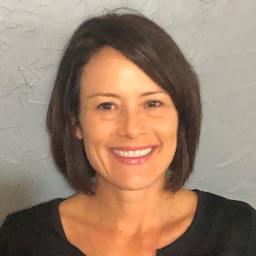
About Erika
Erika uses a collaborative, strengths-based style. She helps people identify what is already working for them, then builds new skills from there. Sessions often include learning tools that can be used between meetings to manage symptoms and cope with difficult moments.
Her work draws on Cognitive Behavioral Therapy to spot unhelpful thinking and shift behaviors. She also integrates attachment-focused ideas to clarify relationship patterns and mindfulness practices to teach present-moment skills. Dialectical behavior strategies and client-centered techniques shape how she guides conversations and skills work.
Clients come for help with a wide range of concerns: anxiety, panic, obsessive thinking, mood struggles, substance use, codependency, grief, and relationship strain. Erika also supports people dealing with burnout, caregiving stress, body image, sexual identity concerns, and chronic health challenges.
Her approach is straightforward and practical. She will teach simple tools, practice them in session, and tailor them to a person’s day-to-day life. People who prefer a focused, skill-oriented path often find this style useful.
Areas of expertise
Primary focus
Also works with
Additional focus areas
Therapeutic approaches
Experience
16+ years
Credentials
Texas
Languages
English
How her approaches shape online therapy
Erika commonly uses Cognitive Behavioral Therapy to help people notice and change unhelpful thoughts and behaviors. CBT involves targeting specific patterns, trying small behavior changes, and practicing new responses to reduce anxiety and depression symptoms.She also draws on Attachment-Based Therapy ideas to make sense of relationship patterns and how early bonds affect current connections. That approach helps people see why they react a certain way in close relationships and try different ways of relating.
Finding the right approach is part of the work. Erika will collaborate with each person to choose methods that match their goals and life circumstances. Together they set priorities and try tools that fit the client’s needs and preferences.
Session formats are not specified here, so confirm current options before booking. Online work can make it easier to fit therapy into a busy schedule, allow for shorter check-ins when needed, and reduce travel time. It also lets people practice skills in their daily routines and bring specific real-life situations into session for practice and feedback.
Frequently asked questions
What kinds of problems does she help with?
She works with people facing stress and anxiety as well as depression, addiction, trauma, grief, relationship strain, and life changes. Additional areas include ADHD, codependency, body image, caregiving stress, and chronic illness.
How would you describe her therapy style?
Her style is collaborative and strengths based. Sessions focus on identifying what already helps and building practical skills that clients can use between meetings.
What is her background and experience?
She has sixteen years of clinical experience and a long history supporting people with anxiety, addiction, trauma, and related concerns. Her work centers on practical tools and skills practice.
What credentials and region are associated with this therapist?
She holds the LPC credential and practices in Texas.
Which languages are sessions offered in?
Sessions are offered in English.
Can people outside the United States work with her?
International clients are not currently accepted.
How do costs and payment work?
Cost varies with location and therapist availability; sessions use a subscription model that can be canceled at any time.
What should I do to begin working with her?
Click the Start Therapy button, complete a short matching questionnaire, and schedule a session according to therapist availability.