- Client-focused care
- Practical coping skills
- Thoughtful guidance
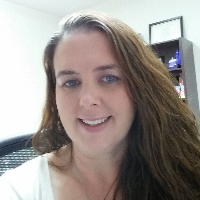
About Emily
She draws on several counseling methods to match what each person needs. Sessions are shaped around immediate problems and longer term goals. Emily keeps language simple and focuses on concrete steps people can try between meetings.
Before becoming a counselor she completed undergraduate study in biology and psychology, then earned a master’s degree in counseling and guidance. Over two decades she has worked in many settings, gaining experience with addiction, depression, trauma and abuse, and grief among other concerns.
Emily describes her style as eclectic. That means she adapts tools and techniques rather than following a single method. Clients can expect an individualized plan, with practical strategies and a conversational, down-to-earth tone.
She also supports people with parenting and career questions, ADHD, caregiver stress, and issues around intimacy and self-esteem. If you want help sorting priorities, managing overwhelm, or making steady changes, she aims to offer clear steps and patient support.
To begin, visitors are asked to complete the site's match process and schedule a session according to availability.
Areas of expertise
Primary focus
Also works with
Additional focus areas
Therapeutic approaches
Experience
23+ years
Credentials
Arkansas
Languages
English
Approaches that guide online sessions
Emily often draws on client-centered therapy, cognitive behavioral therapy, and mindfulness techniques. Client-centered therapy emphasizes listening and building a trusting relationship so clients feel understood and heard; it helps people clarify what matters most to them. Cognitive behavioral therapy looks at how thoughts, feelings, and actions connect and offers practical skills to change unhelpful patterns; it is useful for anxiety, stress, and low mood. Mindfulness therapy teaches simple awareness practices to manage racing thoughts and physical tension and to improve focus during stressful moments.Finding the right approach is part of the work. Emily will collaborate with each person to choose methods that match their goals, preferences, and the problem at hand. That collaborative process may mean trying different tools and checking in on what is helpful as therapy progresses.
Session logistics should be confirmed before booking because the biography does not list specific formats. Ask about the available online formats when you schedule. Many people find online sessions easier to fit into busy days, allow shorter check-ins between work commitments, or make it possible to meet without travel. Emily aims to use approaches that translate to remote conversations and to suggest exercises you can practice between meetings.
Frequently asked questions
What concerns does she help address?
Emily works with people facing stress and anxiety as well as depression, grief, addiction, relationship and intimacy issues, and life changes.
What is her therapy style like?
She uses an eclectic, client-centered style and adapts methods to each person's needs. Sessions focus on practical, doable steps and collaborative planning.
How much experience does she have?
She brings 23 years of clinical experience across a variety of settings, with work involving addiction, PTSD, trauma, and mood concerns among others.
Which credentials and region apply?
She holds the LPC credential and practices in Arkansas.
In what language are sessions offered?
Sessions are offered in English and international clients are not currently accepted.
What session formats are available?
Confirm current session options before booking since specific formats are not listed on the biography.
How is cost handled?
Cost varies with location and therapist availability, and sessions use a subscription that can be canceled at any time.
How do I start working with her?
Select the Start Therapy button, complete the short matching questionnaire, and schedule according to therapist availability.