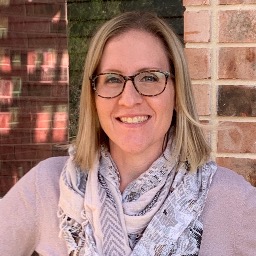
- Warm collaborative style
- Evidence-informed methods
- Active client role
About Elizabeth
Elizabeth has worked in both inpatient and outpatient settings. She has experience supporting people after trauma, including sexual assault and post-traumatic stress, and has worked with mood disorders such as depression, bipolar disorder, and related challenges. Her background includes clinical work in hospitals and clinics where she provided evidence-based care to veterans, soldiers, and civilians.
Her approach mixes Cognitive Behavioral Therapy, Acceptance and Commitment Therapy, and Solution-Focused Therapy. She uses these methods to help people notice unhelpful patterns, clarify values and goals, and build small steps toward change. Trauma-focused work is also part of her practice for those processing difficult events.
Elizabeth describes her style as warm, authentic, and collaborative. She emphasizes dignity, respect, and compassion in sessions and invites clients to help shape their treatment plan. She looks for practical ways to reduce symptoms and improve daily functioning.
People who want clear, hands-on strategies for managing stress, anxiety, grief, relationship strain, or complicated mental health concerns may find her approach useful. To begin, she asks that people complete a short matching questionnaire and schedule according to her availability.
Areas of expertise
Primary focus
Also works with
Additional focus areas
Therapeutic approaches
Experience
15+ years
Credentials
Texas
Languages
English
How her methods translate to online therapy
Acceptance and Commitment Therapy (ACT) helps people clarify what matters to them and take committed steps toward those values despite difficult thoughts or feelings. It is useful for chronic anxiety, stress, and life transitions. Cognitive Behavioral Therapy (CBT) focuses on identifying unhelpful thinking and behavior patterns and testing small changes to shift mood and functioning. It is often used for anxiety, depression, and mood disorders. Trauma-Focused Therapy centers on processing and reducing the ongoing impact of traumatic events through careful, paced work tailored to each person's readiness.Choosing the right approach is often a collaborative process. The therapist will discuss your goals, preferences, and concerns and help decide which methods or combination of methods fit best. Expect an ongoing conversation rather than a single decision at the first session.
Confirm current session options before booking to know which online formats are available. Online work can make it easier to fit sessions into a busy week, allow shorter check-ins when needed, and remove commute time so work or caregiving responsibilities are easier to manage. It can also let people continue care when relocating within the same region. Licensed professionals, including therapists, adapt these approaches to the online setting to focus on practical skills and steady progress without promising specific outcomes.
Frequently asked questions
What kinds of concerns does she help with?
She works with stress and anxiety and also addresses trauma and abuse, depression, bipolar disorder, grief, relationship and family issues, ADHD, and related concerns.
What is her therapeutic style like?
Her style is warm, authentic, and collaborative. Sessions focus on practical steps and client goals rather than lengthy theory discussions.
What experience does she bring to therapy?
She has 15 years of clinical experience in inpatient and outpatient settings and has provided evidence-based care in hospitals and clinics.
What credentials and location apply to her practice?
She is a licensed clinical social worker, LCSW, practicing in Texas under the TX LCSW credential.
Which languages are sessions offered in?
Sessions are offered in English.
Can international clients work with her?
International clients are not currently accepted.
How are sessions priced?
Cost varies with location and therapist availability; sessions use a subscription that can be canceled at any time.
How do I begin working with her?
Use the Start Therapy button, complete a short matching questionnaire, and schedule according to therapist availability.