- Practical coping tools
- Collaborative approach
- Experience focused
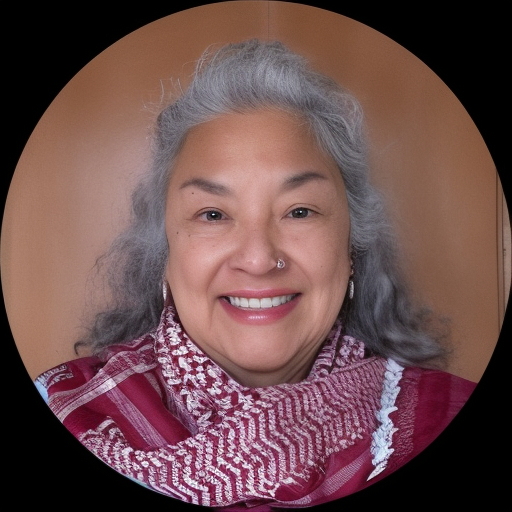
About Dawn
Dr. Schulze practices with a collaborative, client-centered style. She listens for what matters most and then tailors sessions to each person’s needs. Conversations focus on understandable goals, small changes that build confidence, and tools to manage intense feelings.
She uses several evidence-informed approaches to guide work in therapy. Cognitive Behavioral Therapy helps people notice links between thoughts and feelings. Dialectical Behavior Therapy offers skills for emotional regulation and distress tolerance. Emotionally-Focused Therapy supports exploring important relationship patterns and emotional bonds.
Over three decades she has helped people with anxiety, grief, trauma recovery, communication problems, and caregiver stress. She also addresses issues related to adoption and foster care, attachment concerns, body image, chronic illness, and life stage transitions. Sessions aim to increase coping skills and strengthen a sense of agency.
Dr. Schulze holds LCPC and LPC credentials and practices from Minnesota. Her style is warm, direct, and practical. People looking for steady guidance through difficult changes will find concrete strategies and a gradual path forward.
Areas of expertise
Primary focus
Additional focus areas
Therapeutic approaches
Experience
30+ years
Credentials
Wisconsin, Minnesota, Arizona, Kansas, South Dakota, New Mexico, Oklahoma, Utah
Languages
English
How her approaches translate to online work
Dr. Schulze uses Cognitive Behavioral Therapy to help people notice and change unhelpful thought patterns and behaviors, which can reduce anxiety and improve daily functioning. She also draws from Dialectical Behavior Therapy to teach skills for regulating intense emotions and tolerating distress in difficult moments. Emotionally-Focused Therapy is used when relationship patterns or attachment concerns are central, helping people name and work through key emotions.Choosing the right approach is part of the process and is done together. The therapist will talk with clients about their goals and preferences and then recommend which methods to emphasize. That collaborative planning helps match techniques to what a person wants to accomplish.
Session formats are not listed in the biography, so confirm current options before booking. Online sessions can make it easier to fit therapy into a busy life by removing travel time, allowing shorter check-ins when needed, and offering a way to meet from different locations. Many people find that working with licensed professionals remotely lets them practice new skills between sessions and carry progress into everyday routines.
Frequently asked questions
What problems does Dr. Schulze help with?
She supports people facing stress, anxiety, relationship challenges, trauma and abuse, and grief. Additional focus areas include caregiver stress, chronic illness, attachment and family of origin issues.
What is her therapeutic style like?
The approach is collaborative and client-centered. Sessions focus on clear goals, practical skills, and adapting methods to each person's needs.
How much experience does she bring?
Dr. Schulze has 30 years of clinical experience working with a wide range of life transitions and emotional concerns.
What credentials and where does she practice?
She holds LCPC and LPC credentials and practices in Minnesota.
In which language can I meet with her?
Sessions are offered in English and she accepts international clients.
What session formats are offered?
Session formats are not specified in this biography; please confirm current session options before booking.
How are costs handled for sessions?
Cost varies with location and therapist availability, and sessions use a subscription that can be canceled at any time.
How do I begin working with her?
Click the Start Therapy button, complete a short matching questionnaire, and schedule according to therapist availability.