- Client-focused care
- Skill-based tools
- Whole-person view
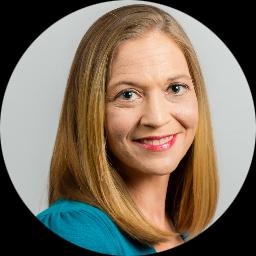
About Cynthia
She believes mental health and physical health are connected, so she attends to the whole person. That means talking about emotions, daily habits, relationships, and spiritual or social needs when those things matter to the client. Cynthia uses an integrated style that she adjusts to fit each person rather than a one-size-fits-all plan.
Her work covers a wide range of concerns such as depression, trauma and abuse, mood disorders, grief, addiction, and challenges with self-esteem. She also addresses parenting stress, life transitions, panic, ADHD, bipolar mood concerns, and communication or control issues. Cynthia has experience with people who struggle after disasters and with veteran and armed forces issues.
In sessions she draws from client-centered methods, cognitive behavioral strategies, dialectical behavior techniques, mindfulness practices, and motivational interviewing. These tools are used to teach coping skills, change unhelpful thinking, improve emotional regulation, and set small, achievable goals.
Cynthia practices in Arkansas and conducts work in English. To begin, clients follow the site's Start Therapy process to match and schedule according to availability.
Areas of expertise
Primary focus
Also works with
Additional focus areas
Therapeutic approaches
Experience
7+ years
Credentials
Arkansas
Languages
English
Approaches that translate to online care
Client-centered work places the client's experience at the center of each session and focuses on listening, empathy, and building trust. This style helps people who want a supportive space to talk through stress, anxiety, or life changes and decide what matters most to them.Cognitive Behavioral Therapy (CBT) teaches practical skills to spot and change thought patterns that fuel anxiety or low mood. CBT often includes simple exercises to try between sessions so clients can practice coping strategies in daily life.
Dialectical Behavior Therapy (DBT) offers tools for managing strong emotions, improving distress tolerance, and strengthening communication. It can be useful for people who want hands-on skills for handling panic, anger, or intense mood swings.
Choosing the right approach is a collaborative process. The therapist will work with each person to match methods to their goals, needs, and preferences, and will adjust the plan as progress is made.
Confirm the available session options before booking, as formats are determined by the therapist's current setup. Online work can make it easier to fit therapy into a busy schedule, shorten travel time, allow brief check-ins when needed, and let clients practice real-world skills between sessions.
Frequently asked questions
What kinds of issues does Cynthia address?
She works with a broad range of concerns including stress, anxiety, depression, trauma and abuse, grief, addictions, self-esteem, and life changes.
How would you describe her therapeutic style?
Her approach is integrated and practical, mixing client-centered conversation with cognitive behavioral techniques and dialectical behavior ideas to teach coping skills.
What is her professional background?
Cynthia has seven years of experience as a Licensed Professional Counselor and has worked with people facing mood disorders, trauma, and everyday life challenges.
Where does she practice and what is her credential?
She practices in Arkansas and holds the LPC credential, which stands for Licensed Professional Counselor.
Which languages are supported for sessions?
Sessions are offered in English.
Can international clients work with her?
She does not accept international clients at this time.
How are fees and payment handled?
Cost varies with location and therapist availability; sessions use a subscription that can be canceled at any time.
How do I begin working together?
Use the Start Therapy button, complete a short matching questionnaire, and schedule according to the therapist's availability.