- Calm practical support
- Trauma and stress focus
- Skills-based work
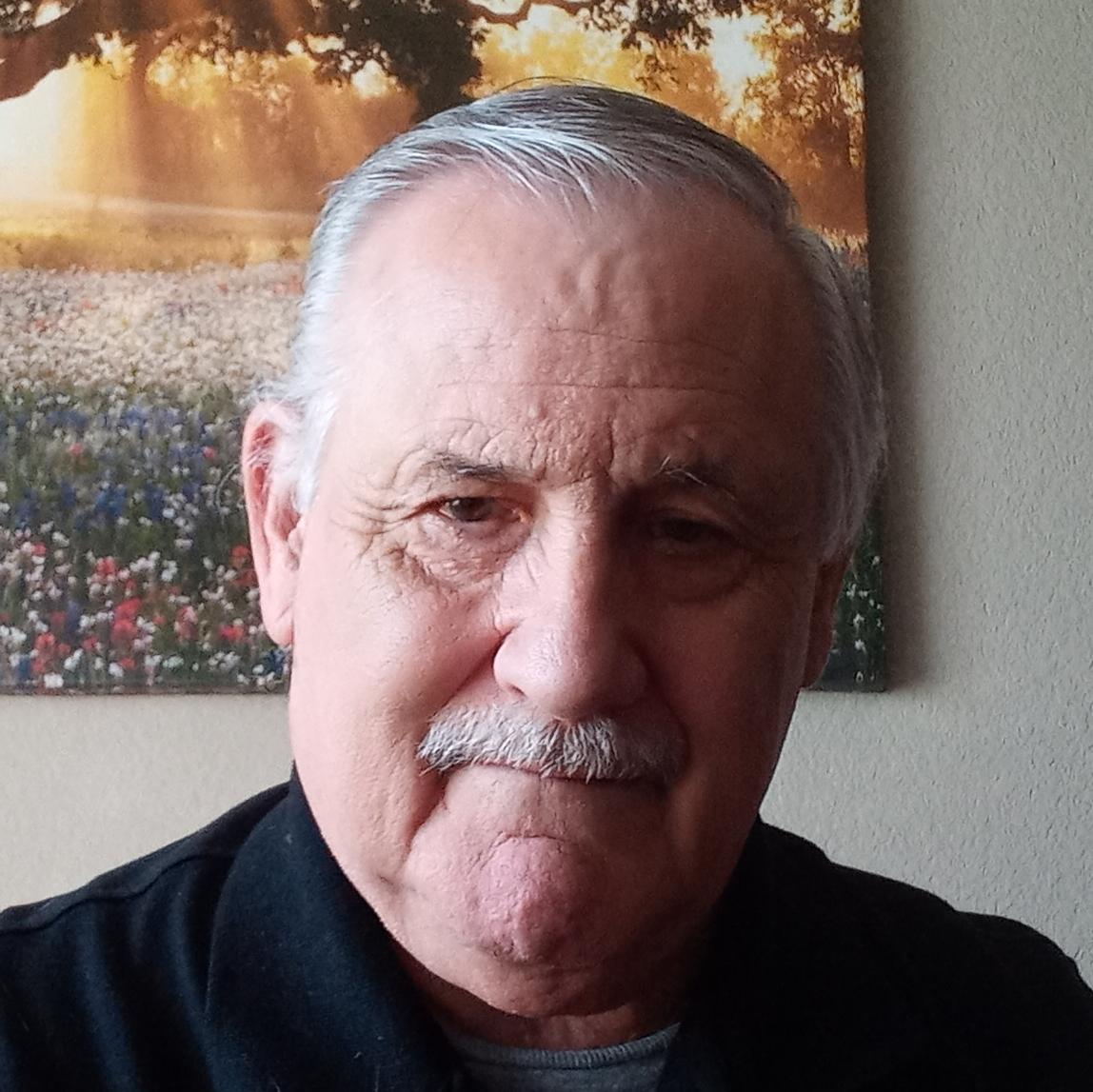
About Craig
Before moving to work with servicemembers and veterans, he spent over a decade at the National Institutes of Health. There he supported a wide range of staff and responded as a crisis counselor during major events. Those roles gave him a lot of front-line experience with trauma, acute stress, and workplace challenges.
Craig combines several practical methods in sessions. He uses motivational interviewing to zero in on specific conflicts and applies cognitive behavioral techniques to change unhelpful patterns. Mindfulness practices are offered to help manage intense feelings and reduce reactivity.
People come to him for many issues, including relationship strain, grief, self-esteem concerns, addictions, sleep and eating problems, and coping with major life changes. He also has experience with first responder and military-related stress, panic attacks, post-traumatic stress, and seasonal mood shifts.
Sessions focus on clear goals and useful skills. Craig invites clients to work collaboratively, bringing real-life problems into the room and practicing concrete strategies between meetings. He frames progress as steady steps rather than quick fixes.
Areas of expertise
Primary focus
Also works with
Additional focus areas
Therapeutic approaches
Experience
35+ years
Credentials
Maryland, Texas
Languages
English
How therapeutic approaches translate to online work
Client-Centered Therapy is about listening and responding to each person's concerns without judgment; it helps people feel heard and often reduces anxiety by making space to sort through emotions. Cognitive Behavioral Therapy, or CBT, looks at thoughts and behaviors and teaches practical techniques to change unhelpful patterns, which can be useful for panic, depression, and ongoing worry.Finding the right approach is part of the work. The therapist will talk with each client about goals and preferences and then suggest which methods to try. This is a collaborative process and adjustments are made as needed based on how the client responds.
Practical benefits of online therapy include fitting sessions into a busy schedule and reducing travel time, which can make regular meetings easier to keep. If you plan to use online care, confirm the available session formats before booking so you know what to expect. Many people find that meeting remotely helps them apply skills between sessions in everyday life and keeps therapy manageable alongside work and family demands.
Frequently asked questions
What kinds of problems does this therapist help with?
He helps people dealing with stress, anxiety, relationship strain, grief, self-esteem, addictions, sleep and eating issues, and major life changes, among other concerns.
How would you describe the therapy style?
The approach is relaxed and accepting, focusing on practical steps, clear goals, and collaborative problem solving rather than long lectures or abstract theory.
What is his background and experience?
He has 35 years of counseling experience, including more than a decade at the National Institutes of Health and work with Department of Defense and military populations.
Which credentials does he hold and where is he based?
He holds LCPC and LPC credentials and practices in Texas.
Are sessions offered in other languages or to international clients?
Sessions are offered in English and international clients are not currently accepted.
What session formats are available?
The original biography does not specify session formats, so please confirm current session options before booking.
How is payment handled and what does it cost?
Cost varies with location and therapist availability; sessions use a subscription that can be canceled at any time.
How do I begin working with him?
Click the Start Therapy button, complete a short matching questionnaire, and schedule according to therapist availability.