- skill building
- evidence based
- nonjudgmental care
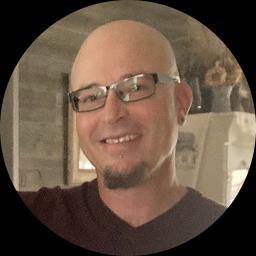
About Christopher
Christopher aims to create a respectful space where people can talk about difficult thoughts and feelings without judgment. He emphasizes practical skill-building so people can manage strong emotions and respond differently to old patterns. Sessions tend to focus on small, usable tools rather than long lectures.
He draws on evidence-based approaches such as Acceptance and Commitment Therapy, Cognitive Behavioral Therapy, Dialectical Behavior Therapy, mindfulness practices, and Solution-Focused Therapy. These methods are used to teach strategies for accepting difficult experiences, shifting unhelpful thoughts, and improving day-to-day functioning.
Christopher also works with concerns like grief, bipolar disorder, ADHD, relationship struggles, substance issues, body image, gender dysphoria, and attachment difficulties. He frames treatment around clear goals and step-by-step skill practice so progress feels manageable.
Many people find starting therapy hard, and Christopher recognizes that first step takes courage. He aims to collaborate on goals, track small wins, and adjust methods to fit each person’s life and needs.
Areas of expertise
Primary focus
Also works with
Additional focus areas
Therapeutic approaches
Experience
5+ years
Credentials
Arkansas, Missouri
Languages
English
How his approaches fit with online therapy
Acceptance and Commitment Therapy (ACT) focuses on accepting hard thoughts and staying connected to what matters. It uses exercises to notice feelings, choose valued actions, and build psychological flexibility. Cognitive Behavioral Therapy (CBT) looks at the links between thoughts, feelings, and behaviors and teaches practical steps to change unhelpful thinking and behavior patterns. Dialectical Behavior Therapy (DBT) emphasizes emotion regulation, distress tolerance, and clearer communication skills for intense feelings.Finding the right approach is a team effort. Christopher will work with each person to decide which methods match their goals and preferences. He adjusts techniques over time, trying different strategies until the person feels they are making usable progress.
Confirm the current session options before booking since formats are not specified in the biography. Online work can make it easier to fit therapy into a busy life by saving travel time, allowing shorter check-ins when schedules are tight, or reducing the need to be on camera for some sessions. Licensed professionals can use these approaches through remote sessions to teach skills, practice new responses, and track progress in ways that fit everyday routines.
Frequently asked questions
What concerns does Christopher help address?
He works with stress, anxiety, anger, low self-esteem, depression, trauma, and related issues such as grief, bipolar disorder, ADHD, and relationship struggles.
What is his therapy style like?
Sessions emphasize practical skills and collaboration. Expect short-term tools and exercises aimed at changing unhelpful patterns and coping with strong emotions.
What background does he bring to sessions?
He has five years of clinical experience and uses evidence-based methods to help people manage symptoms and build resilience.
What credentials and location are listed?
He is a Licensed Clinical Social Worker (LCSW) with licenses in Missouri and Arkansas, and he practices in Arkansas.
Which languages are available for sessions?
Sessions are offered in English.
Can people outside the United States work with him?
He is not accepting international clients at this time.
How does payment and cost work?
Cost varies with location and therapist availability, and sessions use a subscription model that can be canceled at any time.
How do I begin working with him?
Click the Start Therapy button, complete a short matching questionnaire, and schedule sessions according to the therapist's availability.