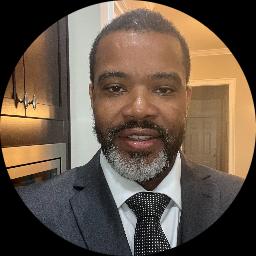
- 27 years experience
- LPC in Alabama
- English sessions
About Chris
He uses straightforward, practical methods in sessions. Together with a client he identifies goals and works on tools to manage intense thoughts and emotions. Many people come for help with worry, recurring stress, and problems that interfere with everyday life.
Chris draws on Client-Centered Therapy to keep conversations focused on each person’s needs. He also uses Cognitive Behavioral Therapy to identify unhelpful thinking patterns and try new behaviors. Mindfulness techniques are woven in to help people build calm and focus in day-to-day moments.
Trauma-Focused Therapy is used when past events are still causing strong reactions. Sessions move at a pace set by the client, with attention to safety and coping skills before exploring painful material.
Chris works from Alabama and speaks English. He is available to international clients as noted in his profile. To begin, prospective clients can use the site’s Start Therapy button to complete a short matching form and schedule according to his availability.
Areas of expertise
Primary focus
Additional focus areas
Therapeutic approaches
Experience
27+ years
Credentials
Alabama
Languages
English
How therapeutic approaches translate to online care
The practice uses Client-Centered Therapy and Cognitive Behavioral Therapy in ways that fit online work. Client-Centered Therapy focuses on listening and responding to what matters most to the person, which helps build trust and clarity even when sessions are remote. Cognitive Behavioral Therapy looks at unhelpful thoughts and tests small behavior changes, which works well through guided activities and homework that can be discussed between sessions.Finding the right approach is part of the initial work. The therapist collaborates with each person to decide which methods match their needs, goals, and preferences. That collaborative process makes it easier to adjust methods over time if something isn’t working.
Because the biography does not specify session formats, confirm the current options before booking. Online sessions can make it simpler to fit therapy into a busy life, such as shortening travel time, allowing check-ins during a lunch break, or choosing audio-only meetings when bandwidth is limited. These practical benefits can help people keep therapy consistent while they work on stress, anxiety, trauma recovery, and related concerns.
Frequently asked questions
What issues does this therapist help with?
He helps people dealing with stress, anxiety, relationship problems, trauma and abuse, grief, and depression, plus a range of related concerns listed in his profile.
What is the therapy style like?
Sessions are conversational and practical, focusing on goals and tools you can use between meetings. The approach blends client-centered listening with action-oriented techniques.
How long has he been practicing?
He has 27 years of professional experience as a licensed counselor and brings that background to his work with clients.
Where is the therapist licensed and located?
He holds an LPC designation and practices from Alabama.
Are sessions offered in other languages or internationally?
Sessions are offered in English, and he accepts international clients as noted in his profile.
What session formats are available?
The original biography does not list specific session formats, so confirm current session options before booking.
How are fees handled?
Cost varies with location and therapist availability; sessions use a subscription that can be canceled at any time.
How do I get started with therapy?
Click the Start Therapy button, fill out a short matching questionnaire, and schedule according to the therapist's availability.