- CBT and DBT
- Trauma informed
- Adult clients 18+
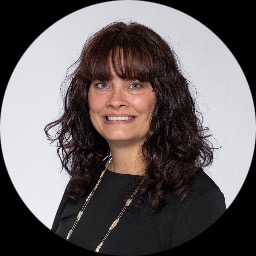
About Chelsea
She has three years of experience across outpatient clinics, hospitals, and crisis settings. That background informs her work with people facing life transitions, relationship struggles, grief, and addiction. Chelsea aims to meet each person where they are and build on their strengths.
Her approach is trauma-informed and collaborative. She draws on Cognitive Behavioral Therapy and Dialectical Behavior Therapy to teach skills for managing overwhelming thoughts and emotions. Sessions mix skill practice, emotional processing, and reflection so changes can stick.
Chelsea emphasizes that the person in therapy is the expert on their life. She supports clients in uncovering patterns, trying new coping strategies, and reconnecting with their values and sense of self. The goal is practical change that fits day-to-day life.
People who come for help can expect a grounded, supportive space where they are heard and guided toward clearer choices. Chelsea works with concerns such as addictions, trauma and abuse, grief, and coping with life changes. Her work also addresses attachment concerns, communication problems, and challenges related to postpartum adjustment and veteran issues.
Areas of expertise
Primary focus
Additional focus areas
Therapeutic approaches
Experience
3+ years
Credentials
Texas
Languages
English
How CBT and DBT Shape Online Work
Cognitive Behavioral Therapy focuses on the link between thoughts, feelings, and actions. It helps people notice unhelpful thinking patterns and practice new ways of responding to reduce anxiety and stress.Dialectical Behavior Therapy emphasizes emotion regulation, distress tolerance, and better interpersonal skills. It can be useful when strong emotions or relationship conflicts make everyday life hard.
Finding the right approach is part of therapy. Chelsea will work collaboratively to figure out which methods fit a person’s needs, goals, and preferences. That may mean focusing on skill practice, spending time on emotional processing, or combining both approaches over several sessions.
Confirm the session formats before booking so you know how sessions are scheduled. Online therapy can make it easier to fit sessions into a busy week, reduce travel time, and allow for consistent follow-up after crises or transitions. It also supports regular skill practice between sessions and makes it simpler to attend brief check-ins when life gets hectic.
Frequently asked questions
What kinds of problems does Chelsea help with?
She helps people cope with stress, anxiety, addictions, trauma and abuse, grief, and life changes. Additional areas include attachment issues, communication problems, and postpartum concerns.
What is her therapeutic style like?
Chelsea uses a trauma-informed, strengths-based, and collaborative style. Sessions combine skill teaching with emotional processing and reflection.
How much experience does she have?
She has three years of clinical experience working in outpatient settings, hospitals, and crisis care. That range informs her work with co-occurring mental health and substance use concerns.
What credentials and region should I know about?
Chelsea holds the LCSW credential and is based in Texas. The listing shows her license as TX LCSW.
Which languages are used in sessions?
Sessions are offered in English.
Can international clients work with her?
Yes, she accepts international clients according to the profile details provided.
How are fees and payment handled?
Costs vary with location and therapist availability; sessions use a subscription that can be canceled at any time.
How do I begin working with Chelsea?
Click the Start Therapy button, complete a short matching questionnaire, and schedule according to therapist availability.