- Stress and anxiety
- Family and relationships
- Goal focused
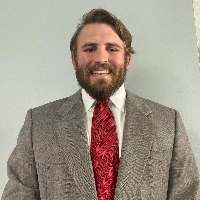
About Chase
Chase uses practical, evidence-informed tools to help clients manage symptoms and build skills. His approach includes Cognitive Behavioral Therapy and EMDR, as well as solution-focused ideas and trauma-aware work. Sessions tend to focus on clear goals, coping strategies, and moments of real change.
He has worked across a range of settings and with diverse communities in Kentucky. His background includes work with PTSD, mood disorders, ADHD-related concerns, self-harm and crisis situations, and family challenges. He also completed Certified First Responder Counselor training to better understand the needs of first responder populations in Kentucky.
In practice he aims to be direct and empathic. He helps people create safety plans, develop treatment plans, and practice skills between sessions. He emphasizes small, manageable steps that fit into busy lives.
Chase is comfortable addressing blended family issues, communication problems, codependency, grief, and intimacy-related concerns. He frames therapy as a collaboration and focuses on helping clients process the past, improve relationships, and move toward meaningful change.
Areas of expertise
Primary focus
Also works with
Additional focus areas
Therapeutic approaches
Experience
10+ years
Credentials
Kentucky
Languages
English
How his approaches guide online work
Chase commonly uses Cognitive Behavioral Therapy and EMDR in his work. Cognitive Behavioral Therapy (CBT) focuses on identifying unhelpful thoughts and testing them with new behaviors. It is often useful for anxiety, low mood, and stress management. EMDR involves structured processing of distressing memories with guided bilateral stimulation and is used when trauma or disturbing events are a core concern.He treats approach selection as a team effort. During early sessions he will talk with the client about symptoms, life goals, and what feels most tolerable. Together they will choose or combine methods that match the client’s needs and preferences, and adjust the plan as progress is made.
If you are considering online therapy, confirm the current session options before booking. The practical benefits often include fitting therapy into busy schedules, shorter check-ins when time is limited, and easier access when travel is difficult. Licensed professionals can still do goal setting, teach CBT skills, and guide trauma-focused processing through remote sessions, and the therapist will work with clients to make each session useful for daily life.
Frequently asked questions
What kinds of problems does Chase focus on?
He works with people dealing with stress, anxiety, depression, trauma and relationship concerns. Other areas include ADHD, grief, parenting struggles, and issues like codependency and communication problems.
How would you describe his therapy style?
Chase blends practical skill teaching with goal-focused conversation. Sessions often include concrete strategies, planning, and short-term goals to manage symptoms and improve daily functioning.
What is his background in mental health?
He has ten years of clinical experience working in mental health settings and with diverse client groups. That experience includes crisis management, safety planning, and treatment plan development.
What credentials and region does he practice in?
Chase is a Licensed Marriage and Family Therapist (LMFT) practicing in Kentucky. His training includes a master’s degree in marriage and family therapy and additional first responder counseling coursework.
Which languages are sessions offered in?
Sessions are offered in English.
Can people outside the U.S. work with him?
He does not accept international clients at this time.
How are fees and billing handled?
Cost varies with location and therapist availability. Sessions use a subscription model that can be canceled at any time.
What should I do to begin therapy?
Use the Start Therapy button, complete the short matching questionnaire, and then schedule according to the therapist’s availability.