- Person-centered approach
- Practical skill building
- Trauma-aware care
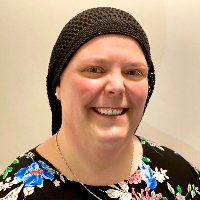
About Chana
Hersh uses a person-centered start to build trust and understand what matters most to each client. From there she blends approaches to match the person and their goals, drawing on cognitive-behavioral tools, attachment ideas, dialectical skills, and existential perspectives when they fit. Sessions emphasize practical skills, clearer thinking, and understanding how past patterns affect current life.
She trained at Texas State University and holds a Master of Arts in Community Counseling with a focus on individual counseling and marriage and family therapy. Hersh has worked in counseling since 1994, including supporting people who moved out of the Texas state mental hospital system and later focusing on survivors of abuse and neglect.
Her background includes long-term work with depression, anxiety disorders, post-traumatic stress, chronic pain, phobias, relationship and family system issues, suicidal ideation and self-harm, sexual and substance addictions, and eating disorders. She has provided both crisis counseling and ongoing therapy across these concerns.
In sessions she aims for people to feel understood and to leave with a clear road map toward their outcomes. To begin, clients work with her to define goals and then follow practical steps tailored to their needs.
Areas of expertise
Primary focus
Also works with
Additional focus areas
Therapeutic approaches
Experience
25+ years
Credentials
Texas
Languages
English
How her approaches translate to online work
Chana Rivka Hersh often uses attachment-based ideas to help people understand how early relationships shape current reactions. This approach focuses on connection and helps with relationship anxiety, attachment issues, and trust concerns. She also uses Client-Centered Therapy, which centers the session on the person’s experience and priorities, offering empathic listening and collaborative goal-setting. Cognitive Behavioral Therapy (CBT) is another common element she uses to identify unhelpful thinking and practice new behaviors for anxiety, depression, and stress management.Finding the right approach is part of the work. Hersh starts by listening and then partners with clients to decide which methods fit their goals and comfort. That collaborative planning helps tailor tools and homework so they feel useful in daily life.
The original biography does not list specific online session formats, so confirm current options before booking. In general, online therapy can make it easier to fit counseling into a busy week, allow for shorter check-ins when needed, and reduce travel time. It also lets people practice skills where they live and then talk through what worked during the next session. Licensed professionals including Hersh can adapt attachment, client-centered, and CBT techniques to an online setting, helping clients translate insight into everyday change.
Frequently asked questions
What kinds of issues does she help with?
She supports people dealing with stress and anxiety, relationship and intimacy concerns, trauma and abuse, grief, depression, addictions, and many related struggles listed in her specialties.
How would you describe her therapeutic style?
She begins from a person-centered place, listening and building trust. Then she blends approaches like cognitive-behavioral and attachment-based techniques to match each person’s goals.
What is her professional background?
She has worked in counseling since 1994 and has long experience with severe mental illness, community reintegration, and later a focus on survivors of abuse and neglect.
What credentials and location are listed?
She is an LPC - Licensed Professional Counselor - licensed in Texas and practices from that state.
In what languages are sessions offered?
Sessions are offered in English.
What session formats are available?
The original biography does not specify session formats; please confirm current session options before booking.
How are fees and payment handled?
Cost varies with location and therapist availability; sessions use a subscription that can be canceled at any time.
How do I get started with therapy?
Select the Start Therapy button, complete the short matching questionnaire, and then schedule according to the therapist’s availability.