- Client-centered listening
- Skills-focused work
- Mindfulness practices
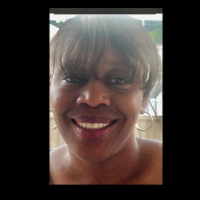
About Cassandra
Her style draws on multiple approaches to meet different needs. She blends client-centered listening with cognitive behavioral tools to spot unhelpful thinking patterns. She also uses mindfulness and narrative ideas to help people calm intense feelings and rewrite painful stories about themselves.
Cassandra earned a graduate degree in Counseling from the University of Texas at San Antonio in 1998. Over 17 years she has worked in community mental health centers, non-profit programs, and in middle and high school settings. That variety shaped her ability to explain coping skills in clear, usable steps.
In the room she focuses on concrete strategies you can practice between sessions. That might look like tracking triggers, testing unhelpful thoughts, or learning grounding and breathing skills for panic and overwhelm. She adapts the pace to what each person needs.
People come to her for issues like trauma and abuse, grief, low self-esteem, depression, family problems, anger, panic, and a range of attachment or identity concerns. Her work aims to reduce immediate distress and build steady skills for daily life.
Areas of expertise
Also works with
Additional focus areas
Therapeutic approaches
Experience
17+ years
Credentials
Texas
Languages
English
How her approaches translate to online work
Client-centered therapy focuses on listening and understanding the person’s concerns. The therapist follows the client’s lead, reflects feelings, and helps people feel heard so they can explore stress and anxiety more clearly.Cognitive Behavioral Therapy, or CBT, looks at how thoughts and behaviors influence mood. Online CBT sessions typically include identifying unhelpful thoughts, trying small behavioral experiments, and practicing skills to reduce panic or low mood.
Dialectical Behavior Therapy, DBT, brings concrete skills for managing intense emotions and impulsive reactions. Online DBT-style work often teaches breathing, distress tolerance, and emotion regulation techniques that you can use during moments of overwhelm.
Finding the right mix of approaches is part of the work. The therapist will collaborate with each person to choose methods that fit their needs, goals, and what feels doable in daily life. That may mean testing one approach for a few weeks and adjusting it together.
If you are considering online sessions, confirm the current session options before booking since formats are not listed here. Online work can make it easier to fit therapy into a busy schedule, allow shorter check-ins when needed, and remove travel time so practicing skills between sessions becomes simpler for many people.
Frequently asked questions
What types of concerns does she address?
Cassandra helps people with stress and anxiety as well as trauma and abuse, grief, self-esteem, depression, anger, family problems, panic, and related mood or attachment issues.
What is her general approach in sessions?
She combines client-centered listening with practical techniques from cognitive behavioral therapy and mindfulness, focusing on skills you can use between sessions.
How much clinical experience does she have?
She has 17 years of experience working in mental health centers, non-profit programs, and school settings including middle and high schools.
What are her credentials and where is she based?
She is a Licensed Professional Counselor, LPC, licensed in Texas and practices from Texas.
Which languages are supported for sessions?
Sessions are offered in English.
Can people outside the United States work with her?
International clients are not currently accepted.
How are sessions paid for and what about cost?
Cost varies with location and therapist availability; sessions are provided through a subscription that can be canceled at any time.
How do I begin working with her?
Use the Start Therapy button, fill out a short matching questionnaire, and then schedule sessions according to therapist availability.