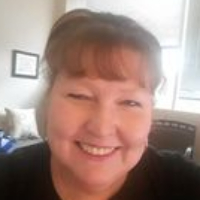
- Collaborative partner
- Skill focused
- Attachment aware
About Casey
Casey practices from an eclectic perspective and draws on several evidence-based approaches. She often uses Cognitive Behavioral Therapy to help people spot unhelpful thoughts and try new behaviors. Dialectical Behavior Therapy skills are used for emotion regulation and interpersonal effectiveness. She also integrates Attachment-Based ideas to look at relationship patterns that affect well-being.
Her background includes work in child and family services and a range of clinical settings. Casey holds a master’s degree in Clinical Mental Health Counseling and a master’s in Marriage and Family Therapy, and she is licensed in Arkansas as an LPC. She has experience with individual and group work across residential, outpatient, and hospital settings.
Casey helps people with grief, depression, self-esteem struggles, coping with life changes, addictions, trauma and abuse, intimacy-related concerns, sleep problems, anger, bipolar disorder, ADHD, and related issues. She also addresses topics such as attachment concerns, caregiver stress, body image, blended family issues, and codependency.
People who choose Casey can expect a collaborative relationship that combines practical skills, reflection on relationship patterns, and attention to life goals. She describes her role as partner, coach, and cheerleader while working alongside clients to reach clearer, more manageable steps.
Areas of expertise
Also works with
Additional focus areas
Therapeutic approaches
Experience
3+ years
Credentials
Arkansas
Languages
English
How approaches like CBT and Attachment work online
Attachment-Based Therapy looks at how early and current relationship patterns affect how people connect and feel safe. Online work can use conversations and exercises to reflect on those patterns and try new ways of relating. Cognitive Behavioral Therapy focuses on the links between thoughts, feelings, and actions. In virtual sessions clients learn to notice unhelpful thoughts and practice different responses between sessions.Finding the right approach is a collaborative process. The therapist will talk with the client about goals and preferences, then suggest techniques from CBT, DBT, or attachment-focused work as fits the situation. Together they check what is helping and adjust the plan over time.
The original profile did not list specific online session formats, so confirm current options before booking. Online therapy can make it easier to fit work into life by cutting travel time, allowing shorter check-ins when needed, and offering options that suit quieter surroundings or lower bandwidth. Licensed professionals can teach DBT skills, run CBT exercises, and guide attachment-focused reflection in remote sessions so therapy tasks fit into everyday routines.
Frequently asked questions
What concerns does Casey commonly address?
Casey works with stress, anxiety, grief, depression, self-esteem issues, and coping with life changes. She also supports people facing addictions, trauma and abuse, sleep problems, anger, bipolar disorder, ADHD, and intimacy-related concerns.
How would you describe Casey's therapeutic style?
Her style is collaborative and practical. She mixes approaches to teach skills, change unhelpful thoughts, and explore relationship patterns.
What is her professional background?
Casey has worked in child and family services and in residential, outpatient, and hospital settings. She has experience delivering individual and group therapy across age ranges.
What credentials and location are listed for Casey?
She holds the LPC credential, listed as AR LPC, and practices in Arkansas.
In which languages can sessions be held?
Sessions are offered in English, and international clients are accepted.
What session formats are available?
The original profile does not specify session formats. Please confirm current session options before booking.
How does payment or cost work?
Cost varies with location and therapist availability, and sessions use a subscription that can be canceled at any time.
How do I begin working with Casey?
Use the Start Therapy button, complete the short matching questionnaire, and schedule according to the therapist's availability.