- Client-centered approach
- Practical coping tools
- Trauma-informed care
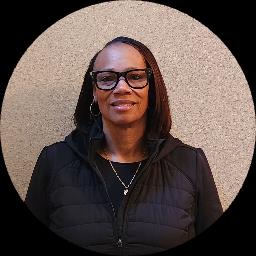
About Betty
Betty completed a Master of Science in Community Counseling at Oklahoma State University and holds bachelor degrees in Psychology and Criminal Justice. She has been working in counseling since 2000 and has 18 years of clinical practice experience. Her background includes roles in correctional settings, drug court programs, methadone clinics, homeless services, and program supervision.
In sessions she draws on several approaches to meet each person's needs. Clients can expect elements of client-centered work that emphasize listening and collaboration. Cognitive Behavioral Therapy techniques are used to identify and change unhelpful thinking and behavior patterns. She also integrates trauma-focused strategies, EMDR, Dialectical Behavior Therapy skills, and emotionally-focused ideas when helpful.
Betty aims to help people create a life they find meaningful. She offers encouragement, active listening, and practical tools for managing symptoms and improving relationships. People seeking help for mood instability, substance concerns, identity questions, intimacy struggles, or life transitions will find a clinician focused on real-world change.
To begin, prospective clients complete a short matching questionnaire and schedule sessions according to availability. Sessions use a subscription model that can be canceled at any time, and Betty works in English in Oklahoma.
Areas of expertise
Primary focus
Also works with
Additional focus areas
Therapeutic approaches
Experience
18+ years
Credentials
Oklahoma
Languages
English
How therapeutic methods translate to online work
Client-Centered Therapy focuses on listening, empathy, and working alongside people to set goals. It helps when someone needs support, validation, and a clear space to make choices. Cognitive Behavioral Therapy (CBT) looks at thoughts and actions and teaches practical exercises to reduce anxiety and change unhelpful behaviors. It is useful for stress, mood concerns, and coping skills. Eye Movement Desensitization and Reprocessing (EMDR) is a trauma-focused approach that helps process distressing memories and reduce their intensity when trauma is present.Finding the right approach is part of the work. The therapist will talk with each person about symptoms, history, and what they hope to change. Together they decide which methods to try and adjust the plan as progress is made, keeping the process collaborative and goal-focused.
The biography does not list specific online session formats, so confirm current options before booking. Many people find online sessions fit into busy days by reducing travel time and allowing therapy to happen from quieter surroundings. Some approaches lend themselves to structured exercises and homework that work well in remote sessions, while trauma-focused work can be paced to match a person’s needs. Discussing logistics and preferred formats happens during the first scheduling steps so sessions can fit into everyday life.
Frequently asked questions
What issues does Betty commonly address?
She supports people dealing with stress, anxiety, depression, trauma and abuse, addictions, relationship and intimacy problems, grief, and related concerns.
How would you describe her therapy style?
Sessions are conversational and nonjudgmental, with active listening, encouragement, and practical steps. The focus is on collaboration and finding what works for each person.
What kind of experience does she bring?
She has worked in counseling since 2000 and reports 18 years of clinical practice, including roles in correctional settings, drug court, methadone clinics, homeless services, and program supervision.
What credentials and location are listed?
She is an LPC - Licensed Professional Counselor - practicing in Oklahoma with a Master of Science in Community Counseling from Oklahoma State University.
Which languages are offered for sessions?
Sessions are offered in English.
What session formats are available?
The original biography does not list specific session formats. Please confirm current session options before booking.
How does payment and cost work?
Sessions use a subscription model that can be canceled at any time; cost varies with location and therapist availability.
How do I get started with therapy?
Select the Start Therapy button, complete a short matching questionnaire, and then schedule sessions according to therapist availability.