- Client-focused care
- Practical strategies
- Supports diverse needs
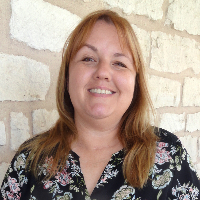
About Angela
Before licensure she worked in many clinical settings, including hospitals and jails, and has supported people facing addiction, trauma, and acute mental health challenges. She has also taught at the university level and values learning as much as teaching. Those varied roles inform how she tailors care to each person.
Her style is compassionate and approachable, with room for humor when it fits. She uses several therapeutic methods rather than a single fixed model, and adapts these to a client’s needs. Sessions focus on real-life problems and step-by-step strategies rather than jargon.
Typical concerns she helps people with include stress, anxiety, depression, grief, addiction issues, relationship and communication struggles, parenting strain, and challenges around identity and self-worth. She also addresses blended family issues, body image, codependency, and recovery from domestic violence or disaster-related loss.
Angela combines client-centered listening with practical tools from cognitive behavioral and solution-focused approaches. She emphasizes collaboration - working with each person to set goals and try methods that feel useful. To begin, readers follow the Start Therapy button, complete a short matching questionnaire, and schedule according to therapist availability.
Areas of expertise
Primary focus
Also works with
Additional focus areas
Therapeutic approaches
Experience
9+ years
Credentials
Texas
Languages
English
How therapy approaches translate to online work
Client-Centered Therapy emphasizes listening and following the person’s lead. The therapist focuses on understanding needs and reflecting what the client says to help them find their own solutions. Cognitive Behavioral Therapy (CBT) teaches practical skills to spot unhelpful thoughts and try different behaviors. It often suits stress, anxiety, and sleep or mood problems by giving clear tools to practice between sessions.Choosing the right approach is a collaborative process. The therapist will work with each person to identify goals, try methods that match those goals, and adjust the plan when something isn’t helping. Expect regular check-ins about what’s working and what to change so therapy stays useful.
The original profile does not list specific online session formats, so confirm available options before booking. Many people find online therapy helps fit sessions into a busy life - it can make scheduling easier, reduce travel time, and allow shorter check-ins when needed. Online sessions also make it simpler to continue care during moves or when juggling work and family responsibilities.
Frequently asked questions
What kinds of concerns does she address?
She works with people facing stress, anxiety, depression, trauma and abuse, substance use concerns, relationship and communication problems, grief, sleeping issues, parenting strain, and other life challenges.
How would you describe her therapeutic style?
Her approach is compassionate and adaptable. She blends client-centered listening with practical techniques so sessions focus on tangible steps and goals.
What background does she bring to sessions?
She has nine years of licensed practice as an LCSW and earlier experience in hospitals, jail settings, and university teaching, which inform her clinical perspective.
Where is she licensed and based?
She holds a Texas LCSW credential and practices in Texas.
In which languages can sessions be held?
Sessions are offered in English, and she accepts international clients.
What session formats are offered?
The original profile does not list specific session formats. Please confirm current session options before booking.
How are fees and billing handled?
Cost varies with location and therapist availability; sessions use a subscription that can be canceled at any time.
What are the first steps to begin therapy?
Click the Start Therapy button, complete a short matching questionnaire, and then schedule sessions based on the therapist's availability.