- Strengths based
- Goal oriented
- Anxiety support
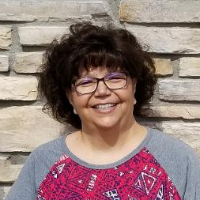
About Amy
She uses practical tools drawn from cognitive behavioral techniques and dialectical behavior therapy to help people manage intense emotions and change unhelpful patterns. Mindfulness and motivational interviewing are woven into sessions when they fit the client’s goals. Amy also brings experience addressing parenting challenges, grief, self-esteem, and family conflict.
Sessions focus on clear goals and small, achievable steps. Amy listens first to understand what a person already does well. Then she helps them build on those strengths and try new ways of coping. Parents and caregivers can expect concrete strategies for behavior and communication challenges.
Amy aims to create a trustworthy working relationship where clients feel heard and understood. She invites clients to set the pace and direction of therapy. Progress is usually practical and goal-oriented, with attention to emotional safety and real-life problem solving.
If someone wants to begin, they complete a short matching questionnaire and schedule based on availability. The subscription for sessions can be canceled at any time, and cost varies with location and therapist availability.
Areas of expertise
Primary focus
Also works with
Additional focus areas
Therapeutic approaches
Experience
5+ years
Credentials
Tennessee
Languages
English
How therapeutic approaches guide online care
Amy uses client-centered therapy and cognitive behavioral therapy in ways that translate well to online sessions. Client-centered therapy focuses on listening and following the person’s lead so they feel understood and respected. This approach helps people set goals that matter to them and shape sessions around their priorities. Cognitive behavioral therapy looks at how thoughts, feelings, and actions connect and teaches practical skills to change unhelpful patterns, which can be practiced between sessions.Finding the right approach is part of the work together. Amy will collaborate with each client to pick methods that match their needs, goals, and preferred pace. That means checking in about what helps, trying different techniques, and adjusting as goals evolve.
If you are considering online therapy, confirm the current session options before booking since formats are not specified here. Online work can make it easier to fit sessions into a busy life, reduce travel time, and allow shorter check-ins when needed. Some people find video helpful for visual cues, while others prefer an audio call for a quieter, less involved setup. Talk with the therapist about what will work best for scheduling and daily routines before your first session.
Frequently asked questions
What concerns does Amy address?
Amy works with stress, anxiety, depression, trauma and abuse, parenting and family challenges, ADHD, self-esteem, grief, relationship problems, anger, career issues, and coping with life changes.
How would you describe her therapy style?
She emphasizes a strengths-based, client-centered style and uses practical, goal-focused techniques. Sessions often include problem-solving and skill-building tailored to each person.
What is her clinical background?
Amy has five years as a licensed clinician and ten years working with behavior and social-emotional challenges prior to clinical practice.
Where is she licensed and practicing?
She is a Licensed Clinical Social Worker in Tennessee and offers services based on that licensure.
Which languages are supported for sessions?
Sessions are offered in English.
Can people outside the U.S. work with her?
International clients are not currently accepted.
How does cost and billing work?
Cost varies with location and therapist availability; sessions use a subscription that can be canceled at any time.
What are the first steps to begin therapy?
Select the Start Therapy button, complete a short matching questionnaire, and schedule according to therapist availability.