- Stress and anxiety
- Practical coping skills
- English and Korean
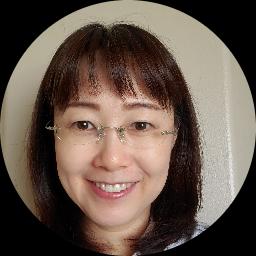
About Yoonkyung
She often uses cognitive behavioral techniques to identify unhelpful thoughts and test new ways of coping. Sessions also draw on client-centered conversation to make space for each person's priorities. Motivational interviewing and solution-focused ideas are used when people want concrete steps toward change.
Chung is a first-generation immigrant from South Korea and speaks English and Korean. Her background includes work with diverse communities, which informs how she thinks about culture and family dynamics. She holds two master’s degrees and applies that training to understand complex relationship and family issues.
In a typical session she listens first, then helps set short-term goals. Practical strategies for sleeping, eating, substance use, and managing mood are common topics. She tailors methods to what the person finds most useful in their daily routines.
People come to her for help with depression, addictions, anger, low self-esteem, trauma, grief, intimacy questions, parenting stress, career transitions, bipolar concerns, ADHD, and other life changes. The work is collaborative - she and the client decide what steps make sense and track progress along the way.
Areas of expertise
Primary focus
Also works with
Therapeutic approaches
Experience
8+ years
Credentials
Texas
Languages
English, Korean
Approaches that translate to online work
Client-centered therapy focuses on listening and understanding the person's perspective. It helps people feel heard and clarifies what they want to change. Cognitive Behavioral Therapy, or CBT, looks at thoughts and behaviors and practices new ways of responding to stress, anxiety, sleep problems, and mood changes. Motivational interviewing helps people find their own reasons to change and supports step-by-step progress toward goals.Finding the right approach is part of the process. The therapist will work with each person to decide which methods fit their goals and daily life. That decision is made together and can change over time as needs evolve.
Confirm current session options before booking since formats were not specified in the biography. Online therapy can make it easier to fit sessions into a weekday routine, reduce travel time, and allow shorter check-ins when schedules are tight. It also lets people continue work from a different location when life changes make in-person visits harder. Licensed professionals can use these methods effectively in conversation-focused sessions, and the therapist will adapt tools like CBT worksheets or motivational strategies for the online setting.
Frequently asked questions
What kinds of problems does this therapist help with?
She supports people managing stress and anxiety as well as depression, addictions, anger, low self-esteem, trauma and related concerns.
What is the therapy style like in sessions?
Sessions are practical and collaborative, with a focus on listening first and then setting short-term goals together to address daily challenges.
How much clinical experience does she have?
She has eight years of counseling experience working with a range of mental health issues and diverse communities.
What credentials and location apply to this therapist?
She is a Licensed Professional Counselor, LPC, practicing in Texas.
Which languages are available for sessions?
Sessions are offered in English and Korean.
Can international clients work with this therapist?
International clients are not currently accepted.
How are sessions billed and what about cost?
Cost varies with location and therapist availability; sessions use a subscription that can be canceled at any time.
How do I begin if I want to work with her?
Select the Start Therapy button, complete a short matching questionnaire, and schedule according to therapist availability.