- Conversational style
- Practical tools
- Client-centered care
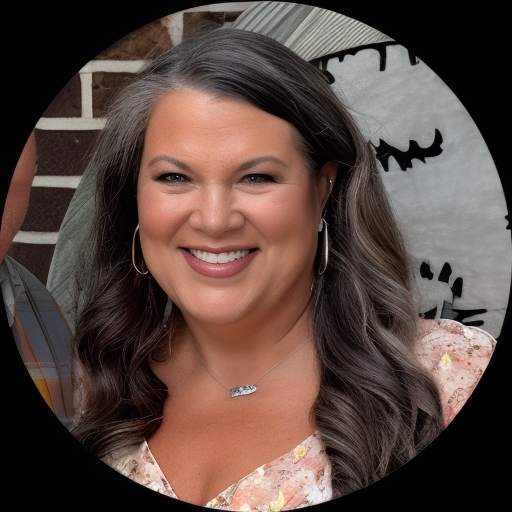
About Ruth
Ruth has 14 years of experience working in community mental health. She has supported people facing depression, bipolar symptoms, trauma and abuse, grief, relationship strains, and co-occurring conditions. Her background includes work with family problems, parenting concerns, career stress, and compassion fatigue.
In sessions she often uses client-centered approaches that focus on the person's needs and perspective. She also draws on cognitive behavioral techniques to help identify unhelpful thoughts and try different behaviors. Mindfulness ideas are used to help people notice the present moment and reduce reactivity.
Ruth describes her style as real and down-to-earth. She encourages honesty and practical problem solving. People who want a conversational counselor who blends listening with concrete tools may find her approach helpful.
Her work covers many concerns including anger, self-esteem, intimacy-related issues, coping with life changes, and feelings of isolation or emptiness. She also addresses more specific topics like abandonment, caregiver stress, codependency, and questions about life purpose.
Areas of expertise
Primary focus
Also works with
Additional focus areas
Therapeutic approaches
Experience
14+ years
Credentials
Alabama
Languages
English
How her approaches translate to online work
Ruth blends client-centered therapy, cognitive behavioral techniques, and mindfulness in a straightforward way. Client-centered therapy means the conversation focuses on the person’s priorities and perspective, helping them feel heard while identifying goals. Cognitive behavioral therapy (CBT) looks at thoughts and behaviors to find small changes that can reduce anxiety and improve mood. Mindfulness therapy encourages paying attention to the present moment to reduce reactivity and manage stress.Finding the right mix of approaches is part of the work together. Ruth collaborates with each person to decide which strategies fit their needs and goals, and she adjusts plans as progress is made. This helps make sessions practical and personally relevant rather than one-size-fits-all.
The practical benefits of online therapy depend on available session formats, which are not specified in the biography. Please confirm the current session options before booking. Online care can make it easier to fit therapy into daily life by reducing travel time, allowing shorter check-ins around a workday, and letting someone choose a setting that helps them focus. Many people find it simpler to maintain regular appointments when scheduling matches other commitments.
Frequently asked questions
What issues does she help with?
Her practice covers stress and anxiety plus related concerns such as depression, bipolar symptoms, trauma and abuse, relationship and family problems, grief, parenting stress, and career strain.
What is her therapeutic style like?
She keeps sessions conversational and nonjudgmental, combining client-centered listening with practical techniques from cognitive behavioral approaches and mindfulness.
How much clinical experience does she have?
She has 14 years of experience working in community mental health settings supporting people with a range of concerns and co-occurring conditions.
What credentials and region apply?
She is a Licensed Professional Counselor, LPC, licensed in Alabama and practices there.
Are sessions available in other languages or internationally?
Sessions are offered in English and she is not accepting international clients at this time.
What session formats are offered?
The original biography does not list specific session formats; please confirm current session options before booking.
How is cost handled for sessions?
Cost varies with location and therapist availability, and sessions use a subscription that can be canceled at any time.
How do I begin working with her?
Click the Start Therapy button, complete a short matching questionnaire, and then schedule according to therapist availability.