- client-centered
- CBT informed
- mindfulness tools
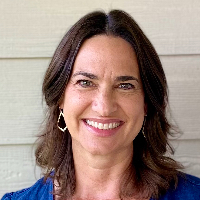
About Rachel
Rachel uses a client-centered approach that starts with listening to each person’s story. She aims to understand what matters most to the individual before suggesting ways forward. Sessions are conversational and practical, with an emphasis on what will work for the client in their daily life.
Her work commonly includes Cognitive Behavioral Therapy, Solution-Focused Therapy, Motivational Interviewing, and Mindfulness techniques. Those methods are used to address problems such as relationship strain, career decisions, grief, anger, and coping with transitions. Rachel helps people try tools and notice what changes between sessions.
She also supports concerns related to parenting, family problems, control issues, ADHD, bipolar mood concerns, and women’s issues. Rachel explains options in simple terms and invites clients to be part of choosing approaches that match their goals.
People who prefer straightforward, collaborative work may find this style helpful. Rachel presents therapy as a team effort and offers steady practical guidance while people test new ways of handling stress and everyday challenges.
Areas of expertise
Primary focus
Also works with
Additional focus areas
Therapeutic approaches
Experience
5+ years
Credentials
Texas
Languages
English
How Rachel Uses Evidence-Based Methods Online
Client-Centered Therapy focuses on what the individual wants to change. The therapist listens closely and follows the client’s lead to set goals and next steps. This approach helps people who need a flexible, trusting space to talk about stress, relationships, or life shifts.Cognitive Behavioral Therapy (CBT) helps people notice unhelpful thinking and try new behaviors. It is often used for anxiety, low mood, sleep problems, and coping with stress by using clear exercises and doable homework between sessions.
Mindfulness techniques bring attention to the present moment and to small changes in feeling and thought. These practices can help reduce reactivity and improve sleep and relaxation when used alongside other approaches.
Finding the right approach is part of the work. The therapist will collaborate with each person to choose methods based on their goals, preferences, and what proves helpful. Clients are invited to try tools and give feedback so the plan can be adjusted over time.
Confirm current session options before booking, as specific formats are not listed here. Online therapy can make it easier to fit appointments into a busy day, reduce travel time, and let people work on skills between sessions. For example, some people prefer shorter check-ins during a work break or sessions that do not require video to save bandwidth. Ask about available session formats when scheduling to match therapy to everyday life.
Frequently asked questions
What kinds of problems does Rachel help with?
She helps people facing stress and anxiety and related concerns like depression, sleep problems, addictions, relationship and family issues, grief, and coping with life changes.
What is her general therapy style?
Her work is client-centered and collaborative. Sessions focus on listening first, then trying practical steps that fit the individual.
What is her background and experience?
She has five years of experience and has worked in a family counseling center, an outpatient hospital, and a community college setting.
What credentials does she hold and where is she located?
She is a Licensed Professional Counselor (LPC) and practices in Texas.
Which languages are supported for sessions?
Sessions are offered in English.
Can people outside the United States work with her?
International clients are not currently accepted.
How are costs handled for sessions?
Cost varies with location and therapist availability, and sessions use a subscription that can be canceled at any time.
How does someone begin working with Rachel?
Use the Start Therapy button, complete a short matching questionnaire, and then schedule sessions according to the therapist's availability.