- Stress and anxiety
- Work and life transitions
- Goal oriented support
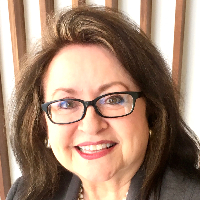
About Peggy
She holds a Masters degree in Human Science with an emphasis on workplace behavior. That background informs how she looks at patterns that affect work and relationships. Peggy has about 20 years of counseling experience and has helped people notice and shift habits that cause ongoing struggle.
In sessions she helps clients identify barriers such as childhood wounds, self-sabotage, and low self-esteem. She works collaboratively to set clear goals and small milestones. The focus is on learning tools that fit daily life, not on complicated theory.
Peggy uses several therapy approaches to match each person’s needs. She draws on acceptance and commitment ideas, cognitive behavioral techniques, emotionally-focused work, attachment perspectives, and client-centered listening. Those methods are used to address depression, trauma, grief, relationship and intimacy concerns, and problems with sleep or eating.
Her style is straightforward and encouraging. Peggy aims to raise awareness so people can reduce suffering and regain a sense of wellbeing. To start, she asks clients to define goals and then supports steady progress toward them.
Areas of expertise
Primary focus
Also works with
Additional focus areas
Therapeutic approaches
Experience
20+ years
Credentials
Texas
Languages
English
How Peggy’s Approaches Fit Online Therapy
Acceptance and Commitment Therapy (ACT) focuses on helping people notice their thoughts and commit to actions that align with their values. It can help with anxiety, stress, and finding purpose during life changes. Cognitive Behavioral Therapy (CBT) looks at the links between thoughts, feelings, and behavior and teaches practical skills to reduce worry and change unhelpful patterns. Attachment-Based Therapy explores how early relationships shape current bonds and can be useful for intimacy and relationship concerns.Choosing the right approach is a collaborative process. Peggy will talk with each person about goals and preferences, and then suggest which methods to try first. She supports steady experimentation with techniques and checks in to see what is most helpful for each person.
If you are considering online therapy, confirm the available session options before booking. The therapist’s profile does not list specific formats, so ask whether video, phone, or messaging fits your needs. Online sessions can make it easier to fit appointments into a busy day, allow shorter check-ins when time is limited, and reduce commute time so therapy can be kept consistent with work and family life.
Frequently asked questions
What kinds of concerns does Peggy help with?
She helps people with stress, anxiety, trauma and abuse, depression, grief, relationship and intimacy issues, sleep and eating problems, and career-related struggles among other concerns.
How would you describe her therapy style?
Peggy combines practical, down-to-earth conversation with goal setting. She uses listening, feedback, and structured techniques to help people notice patterns and try new ways of coping.
What is her professional background?
Peggy has a Masters degree in Human Science with an emphasis on workplace behavior and about 20 years of experience including leadership work in business and nonprofit settings.
Where is she based and what license does she hold?
She works from Texas and holds the LPC credential, which stands for Licensed Professional Counselor.
In which languages can sessions be held?
Sessions are offered in English.
Can international clients work with her?
International clients are not currently accepted.
How are sessions scheduled and what about cost?
Costs vary with location and therapist availability; sessions use a subscription that can be canceled at any time.
How do I begin working with Peggy?
Select the Start Therapy button, complete a short matching questionnaire, and schedule according to therapist availability.