- Practical skill building
- Addiction experience
- Client-centered care
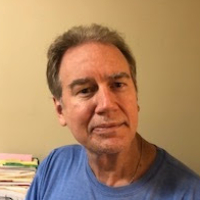
About Paul
He uses a mix of practical, evidence-informed approaches. Paul leans on cognitive behavioral techniques to help people spot and change unhelpful thinking and behavior patterns. He also uses client-centered methods to create a warm, respectful space where people feel heard.
Paul has a master’s-level certification as an addictions counselor and has worked with addiction and co-occurring concerns over many years. He has also supported people facing depression, trauma and abuse, grief, relationship and intimacy issues, parenting stress, bipolar concerns, ADHD, and other life changes.
In sessions Paul focuses on straightforward, reality-based strategies alongside deeper emotional work when needed. He aims to help people build skills they can use outside of sessions and to address immediate problems as well as longer-term patterns. His goal is to help people feel more able to cope and move forward.
Paul works in Alabama and conducts sessions in English. People who want to start can expect a respectful, steady approach that balances skill-building with emotional support.
Areas of expertise
Primary focus
Also works with
Additional focus areas
Therapeutic approaches
Experience
35+ years
Credentials
Alabama
Languages
English
How Paul’s approaches translate to online work
Paul commonly uses cognitive behavioral therapy and client-centered methods. Cognitive behavioral therapy focuses on identifying thought and behavior patterns and teaching practical skills to change them, which can help with anxiety, stress, and mood problems. Client-centered therapy emphasizes listening, empathy, and helping the person lead the pace of change, which supports deeper emotional work and building self-trust.Finding the right approach is often a joint process. Paul will work with each person to decide which methods fit their goals and preferences. That collaborative planning includes trying practical tools, checking what helps, and adjusting the focus over time.
The therapist biography did not list specific online session formats, so please confirm available options before booking. In general, online counseling can make it easier to fit sessions into a busy life, reduce travel time, and allow for shorter check-ins when needed. It can also let people continue care across locations and support consistent work on stress, anxiety, addiction concerns, relationship patterns, and coping with life changes.
Frequently asked questions
What kinds of concerns does Paul help with?
He works with stress and anxiety and a broad range of other issues including addictions, depression, trauma and abuse, relationship and intimacy concerns, grief, parenting strain, anger, self-esteem, bipolar, ADHD, and coping with life changes.
How would you describe his therapeutic style?
Paul blends cognitive behavioral strategies with client-centered conversations and reality-based problem solving to meet practical needs. He aims for straightforward techniques together with emotional processing when it helps.
What experience does he bring to sessions?
Paul has 35 years of experience in inpatient, outpatient, residential, and private practice settings, which informs how he addresses both short-term and long-term concerns.
Where is he based and what credential does he hold?
He practices in Alabama and holds the LPC credential, which stands for licensed professional counselor.
Can sessions be conducted in languages other than English?
Sessions are offered in English.
Are international clients supported?
International clients are accepted.
How are session formats arranged?
The original biography does not specify session formats; please confirm current session options before booking to know which formats are available.
How does cost and scheduling work?
Cost varies with location and therapist availability, and sessions use a subscription that can be canceled at any time. To begin, select the Start Therapy button, complete a short matching questionnaire, and schedule according to therapist availability.