- Stress and anxiety
- Client-centered care
- Practical coping skills
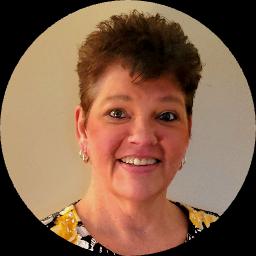
About Pamela
Pamela adapts conversations and care to each person’s needs. She focuses on practical ways to reduce anxious thoughts, improve sleep and eating patterns, and manage intense emotions. She also helps people navigate relationship strain, parenting challenges, addiction concerns, and identity issues related to LGBT matters.
Her approach blends client-centered listening with tools from cognitive behavioral therapy and mindfulness. Pamela uses motivational interviewing to explore goals and to strengthen commitment to change. Narrative techniques help people reframe difficult life stories and find new meaning.
In sessions Pamela pays attention to the whole picture, including work stress, caregiver strain, and life changes such as divorce or aging concerns. She also offers support around trauma, grief, first responder stress, and complications of serious illness.
Conversations are tailored, down-to-earth, and aimed at usable steps between sessions. Pamela invites people to talk through what matters most and to build manageable routines that fit everyday life.
Areas of expertise
Primary focus
Also works with
Additional focus areas
Therapeutic approaches
Experience
30+ years
Credentials
Tennessee
Languages
English
Therapy approaches you can use online
Client-centered therapy focuses on listening and understanding the person’s experience. The therapist follows your lead, reflects what she hears, and helps you name what matters most. This approach is helpful for building trust and for deciding which next steps feel right.Cognitive behavioral therapy, or CBT, looks at how thoughts, feelings, and actions interact. It uses practical exercises to change unhelpful thinking and to build new habits for sleep, eating, and coping with anxiety. CBT is often used for stress, anxiety, and mood concerns.
Mindfulness therapy teaches simple attention and breathing practices to reduce reactivity. These techniques can ease moments of overwhelm and support better emotional regulation over time.
Finding the right approach is part of the work. Pamela will collaborate with each person to match methods to their goals, needs, and daily life. This means trying different tools, checking what helps, and adjusting the plan together.
Confirm the current session options before booking, as formats are not listed here. Online therapy can make it easier to fit sessions into a busy schedule, reduce travel time, and allow shorter check-ins when needed. Talk with the therapist about what will work best for timing, session length, and how to keep sessions practical for everyday life.
Frequently asked questions
What kinds of concerns does Pamela address?
She helps people with stress and anxiety, depression, bipolar disorder, grief and loss, ADHD, addictions, relationship and family concerns, trauma and abuse, and many related issues.
What is her general therapy style?
Her style is client-centered and collaborative. She combines listening with practical tools from cognitive behavioral therapy and mindfulness.
How much experience does she have?
Pamela has 30 years of professional work experience in counseling and related services.
What are her credentials and practice location?
She holds the credential LPC-MHSP and practices in Tennessee.
Which languages are available for sessions?
Sessions are offered in English.
Are international clients accepted?
She is not currently accepting international clients.
How does billing and cost work?
Cost varies with location and therapist availability; sessions use a subscription that can be canceled at any time.
How do I begin the process?
Click the Start Therapy button, complete a short matching questionnaire, and then schedule according to therapist availability.