- Client-centered focus
- CBT and DBT skills
- Substance recovery support
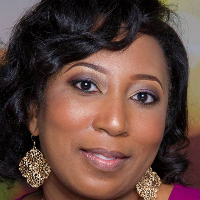
About Michella
Rahming draws from several evidence-informed methods and blends them to meet each person’s needs. She commonly uses client-centered techniques to build trust and cognitive behavioral strategies to identify and change unhelpful thinking patterns. She also incorporates dialectical behavior therapy skills and mindfulness to support emotional regulation and present-moment coping.
Her background includes a Bachelor’s degree in Psychology from Florida A & M University and a Master’s degree in Counseling from Argosy University in Atlanta, GA. She holds the Licensed Professional Counselor credential, LPC, and has five years of clinical experience working with adults. Much of her work has focused on women facing challenges like depression, relationship strain, career stress, and substance use recovery.
Michella has supported people through trauma, grief, anger, low self-esteem, and challenges unique to LGBT and multicultural identities. She also addresses concerns such as sleep struggles, compassion fatigue, and issues related to substance misuse and recovery.
Her sessions aim to be collaborative. She listens first, then helps people set realistic goals and learn practical tools. Readers should confirm current session options before booking to ensure a good fit.
Areas of expertise
Primary focus
Also works with
Additional focus areas
Therapeutic approaches
Experience
5+ years
Credentials
Alabama, Georgia, Virginia
Languages
English
How her approaches translate to online work
Michella commonly blends client-centered therapy with cognitive behavioral therapy and dialectical behavior therapy skills. Client-centered therapy focuses on listening and building a trusting relationship so people feel understood. Cognitive behavioral therapy looks at how thoughts affect feelings and behavior, and teaches practical exercises to change those patterns. DBT skills teach concrete tools for managing strong emotions and improving coping in stressful moments.Choosing the right approach is a collaborative process. The therapist will ask about goals, day-to-day challenges, and what has or hasn’t worked before. Together they decide which strategies to try and will adjust the plan as needs change.
Confirm the current session options before booking so you know which formats are offered. Online work can make it easier to fit therapy into a busy schedule, allow shorter check-ins when needed, and reduce travel time. Some people appreciate being able to schedule sessions around work or caregiving responsibilities, while others prefer longer appointments for deeper work. Discussing what will fit your routine helps shape a practical plan.
Frequently asked questions
What kinds of problems does she help with?
Michella works with adults on issues such as stress, anxiety, depression, relationship struggles, substance use recovery, grief, and career concerns.
How would you describe her therapy style?
She uses a blend of client-centered listening with practical methods like cognitive behavioral and dialectical behavior therapy to build coping skills and change unhelpful thoughts.
What experience does she bring?
She has five years of experience working with adults, with a focus on women navigating life challenges and recovery from substance misuse.
What credentials and where is she based?
She holds the Licensed Professional Counselor credential, LPC, and practices in Georgia.
Which languages are available for sessions?
Sessions are offered in English.
Can people outside the U.S. work with her?
She is not accepting international clients at this time.
How are costs handled?
Cost varies with location and therapist availability; sessions use a subscription that can be canceled at any time.
How do I begin working with her?
Click the Start Therapy button, complete a short matching questionnaire, and schedule according to therapist availability.