- Warm practical care
- Skill focused
- Collaborative planning
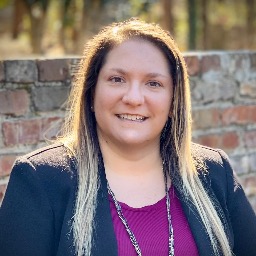
About Jennifer
Rhodes has practiced as a clinical social worker in Alabama for 10 years. She has helped people with depression, self-esteem, grief, relationship concerns, addiction, and adjustment after major life changes. She has also supported those beginning the healing process after trauma and abuse.
Her work blends listening with practical tools. She draws from client-centered methods to follow what matters most to each person. She commonly uses cognitive approaches to change unhelpful thinking and dialectical skills to manage intense feelings.
Mindfulness practices are introduced when they fit client needs, and she adapts methods over time as goals evolve. Sessions focus on real-life steps people can try between meetings, not just talking about problems.
People who come for help can expect a collaborative relationship where goals are set together. Rhodes aims to restore day-to-day calm and help clients develop clearer ways to cope and move forward.
Areas of expertise
Also works with
Therapeutic approaches
Experience
10+ years
Credentials
Alabama
Languages
English
How her approaches translate to online work
Client-Centered Therapy focuses on understanding each person where they are. The therapist listens closely and follows what the client says is most important, which helps build trust and make sessions relevant to everyday problems like stress and anxiety.Cognitive Behavioral Therapy, or CBT, teaches practical ways to notice and change unhelpful thoughts and behavior patterns. This approach is useful for anxiety, depression, and coping with life transitions because it gives clear tools people can use between sessions.
Dialectical Behavior Therapy, or DBT, offers skills for managing intense emotions and improving responses to stress. Dialectical skills can help people tolerate distress and communicate more effectively when feelings run high.
Finding the right mix of approaches is part of the process. The therapist works together with each person to decide which methods fit their goals and preferences. That collaboration means plans are adjusted as needs change, and practical skills are emphasized whenever they suit the client.
Confirm current session options before booking since session formats are not specified here. Online therapy can make it easier to fit sessions into a busy life, reduce travel time, and allow for shorter check-ins when needed. Many people find that working with a licensed professional remotely helps them practice skills in their everyday settings and keep progress moving between appointments.
Frequently asked questions
What kinds of problems does she help with?
She works with stress, anxiety, depression, grief, trauma and abuse, self-esteem concerns, addictions, relationship and family issues, anger, career transitions, bipolar challenges, coping with life changes, coaching, and compassion fatigue.
What is her approach in sessions?
Therapy combines a client-centered stance with cognitive and dialectical tools. Sessions include listening, skill teaching, and practical tasks to try between meetings.
How much experience does she have?
She has been a practicing clinician for 10 years, working with a broad range of concerns across that time.
What are her credentials and where is she based?
She holds an LICSW credential and practices in Alabama.
Which languages are supported?
Sessions are offered in English.
Does she work with international clients?
International clients are not currently accepted.
How does payment and cost work?
Cost varies with location and therapist availability; sessions use a subscription that can be canceled at any time.
How do I begin therapy with her?
Choose the Start Therapy button, complete a short matching questionnaire, and schedule according to therapist availability.