- Stress and anxiety
- Values-focused work
- Practical tools
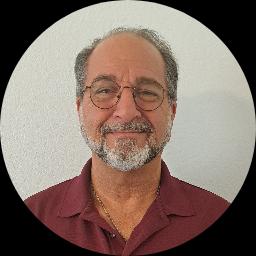
About Jeffrey
He uses techniques from Cognitive Behavioral Therapy to identify unhelpful thoughts and change behavior. He also draws on Acceptance and Commitment Therapy to help people clarify what matters most and act in line with those values. Sessions often center on concrete tools, small experiments, and clear goals.
Jeffrey has eight years of experience working in a range of settings. He completed a master’s degree at Liberty University in Lynchburg, Virginia, and held a student internship at Renewing Life Center where he later continued practicing. He has served as a mentor at the Las Vegas Rescue Mission and worked as a care guide at a local church.
He holds an advanced certificate in life coaching and is ordained as a minister. Jeffrey practices with an emphasis on honesty, ethics, and openness. He describes his perspective as influenced by a Biblical worldview and brings a problem-solving mindset from his earlier engineering background.
Typical concerns he addresses include relationships, self-esteem, coping with life changes, depression, codependency, addiction issues, workplace problems, and first responder stress. People who want clear, practical steps and values-focused work may find his style helpful.
Areas of expertise
Primary focus
Additional focus areas
Therapeutic approaches
Experience
8+ years
Credentials
Oklahoma, Nevada
Languages
English
How ACT and CBT Fit into Online Therapy
Acceptance and Commitment Therapy, or ACT, helps people clarify what matters most and then take small steps toward those values. It can be useful for stress, anxiety, and life changes by shifting focus from struggling with thoughts to building a meaningful life.Cognitive Behavioral Therapy, or CBT, looks at the link between thoughts, feelings, and actions and teaches practical techniques to change patterns. It is often used for anxiety, depression, and coping skills by breaking problems into smaller, manageable steps.
Choosing the right approach is a shared process. The therapist will work with each person to see which methods match their goals, values, and daily routine. Sessions often mix techniques and adjust over time so the plan fits what actually helps.
Confirm the current session options before booking since formats are not specified in the biography. Online therapy can make it easier to fit appointments into a busy life, allow shorter check-ins when needed, and reduce travel time. Many people find virtual work lets them practice skills between meetings and apply new habits in everyday settings.
Frequently asked questions
What concerns does Jeffrey help with?
He works with stress, anxiety, relationship struggles, self-esteem, depression, and coping with life changes. He also focuses on issues like codependency, addiction, workplace problems, and forgiveness.
What is his style of therapy?
His sessions use straightforward, practical methods from Cognitive Behavioral Therapy and Acceptance and Commitment Therapy. Expect tools, small experiments, and steps you can try between meetings.
How much clinical experience does he have?
He has eight years of experience working in varied settings, including internships and community roles where he provided mentorship and support.
What credentials and location are listed?
He holds LCPC and LPC credentials and practices in Oklahoma. The biography also notes licensure in Nevada and Oklahoma.
What languages are sessions offered in?
Sessions are offered in English.
Can people outside the U.S. work with him?
International clients are not currently accepted.
How are fees handled?
Cost varies with location and therapist availability. Sessions use a subscription model that can be canceled at any time.
How do I begin working together?
Click the Start Therapy button, complete a short matching questionnaire, and schedule according to the therapist's availability.