- Stress and anxiety
- Substance use support
- Practical coping skills
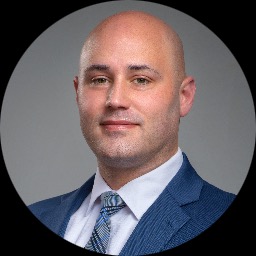
About James
He has ten years of experience in mental health counseling and holds a Master’s degree in Clinical Mental Health Counseling. He has worked in leadership and clinical roles at the Department of Veterans Affairs and has taught psychology at the university level. That background informs his understanding of behavior and common reactions to stress and change.
James uses evidence-based therapeutic techniques to help people develop coping skills and manage difficult emotions. He often draws on methods that focus on changing unhelpful thinking patterns and on values-based action to support behavior change. Sessions typically include skill-building, behavior planning, and realistic goal setting.
He has particular experience with drug and alcohol addiction and other substance use concerns, including process addictions. That experience is paired with work helping people adjust to life transitions and to manage anger or low self-worth.
James practices in Idaho and works in English. He is licensed in Idaho as a Licensed Clinical Professional Counselor and also holds a Texas LPC credential. He accepts international clients and aims to match therapy to each person’s needs.
Areas of expertise
Primary focus
Also works with
Additional focus areas
Experience
10+ years
Credentials
Idaho, Texas
Languages
English
Approaches that guide online support
James often uses methods that help people change unhelpful thinking patterns and methods that focus on values and committed action. One approach centers on identifying and shifting thinking patterns that increase worry or avoidance; it helps with anxiety, low mood, and problem-solving. Another approach focuses on noticing what matters most and taking small steps toward those values, which can support recovery from addiction and guide life changes.Finding the right mix of techniques is part of the work. The therapist collaborates with each person to decide which approaches fit their goals, preferences, and daily life. That process may include trying different strategies and adjusting them as progress is made.
The practical benefits of online therapy can include fitting sessions into a busy schedule and avoiding travel time. The biography does not list specific session formats, so confirm current options before booking. Many people find online sessions make it easier to keep regular appointments, check in between life changes, and practice new skills in everyday settings.
Frequently asked questions
What kinds of concerns does he help with?
He works with people experiencing stress, anxiety, addictions, low self-esteem, depression, coping with life changes, and anger. He also focuses on drug and alcohol addiction and related substance use issues.
What is his therapeutic style like?
His style is collaborative and practical, with an emphasis on building coping skills and setting realistic goals. Sessions often include skill practice and behavior planning.
How much experience does he have?
He has ten years of experience working in mental health counseling, including leadership and clinical roles within the Department of Veterans Affairs.
What credentials and region are listed?
He holds a Master’s degree in Clinical Mental Health Counseling and is licensed as an LPC and LCPC. He practices in Idaho and also holds a Texas LPC credential.
Which languages and international arrangements are available?
Sessions are offered in English, and he accepts international clients as part of his practice.
What session formats are offered?
The original biography does not list specific session formats. Please confirm current session options before booking.
How are sessions paid for?
Cost varies by location and therapist availability; sessions use a subscription that can be canceled at any time.
How do I begin working with him?
Use the Start Therapy button, complete the short matching questionnaire, and then schedule according to the therapist’s availability.