- Person-centered approach
- CBT tools
- EMDR for trauma
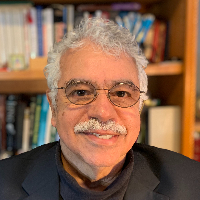
About Franklin
He uses a straightforward, person-centered style in sessions. That means conversations focus on the client's goals and experiences. He also draws on cognitive behavioral tools to help change unhelpful thoughts and behaviors. Mindfulness techniques may be used to reduce reactivity and bring calm to daily life.
Cardona has worked in hospitals and clinics and has experience addressing co-occurring mental health and substance use concerns. Much of his past work included supporting people affected by trauma, including several years assisting soldiers and civilians with post-traumatic stress. He has applied eye movement desensitization and reprocessing in trauma-focused work.
In therapy with him, clients can expect practical strategies alongside open listening. Sessions may include skill practice, step-by-step problem solving, and exploration of patterns that affect relationships and self-esteem. He aims to build a collaborative working relationship so people feel more capable managing stress and life transitions.
People who choose him can start in English or Spanish. International clients are accepted. To begin, clients complete a short questionnaire and schedule sessions according to availability.
Areas of expertise
Primary focus
Also works with
Additional focus areas
Therapeutic approaches
Experience
25+ years
Credentials
Tennessee
Languages
English, Spanish
How his approaches fit into online therapy
Attachment-based work focuses on how early relationships shape current patterns. In practice this means noticing how people form bonds and then trying new ways of relating that feel safer and more satisfying. Cognitive behavioral therapy (CBT) breaks problems into thoughts, feelings, and behaviors and uses exercises to change unhelpful patterns; it is often helpful for anxiety, depression, and stress. EMDR involves a structured way of processing distressing memories and has been used for trauma-related symptoms and intense emotional reactions.Finding the right approach is part of the work. He will collaborate with each person to decide which methods match their goals, needs, and comfort level. That may mean combining client-centered listening with CBT strategies or using EMDR when trauma processing is appropriate.
The biography does not list specific online session formats, so confirm current options before booking. Online work can make it easier to fit therapy into a busy life by removing commute time and allowing sessions during a lunch break or after work. It can also let people choose quieter surroundings, use shorter check-ins when needed, or avoid being on camera when that helps them engage more comfortably.
Frequently asked questions
What concerns does this therapist focus on?
He supports people with stress and anxiety as well as addictions, trauma and abuse, depression, relationship and intimacy-related issues, eating concerns, anger, self-esteem, and coping with life changes.
How would you describe his therapeutic style?
His style is person-centered and collaborative, with practical problem solving. He uses listening, skill practice, and goal-focused work to help people make changes.
What kind of experience does he bring?
He has 25 years of experience working in hospitals, clinics, and with populations affected by trauma, including work from 2007 to 2020 with soldiers and civilians with PTSD.
What credentials and region are listed?
He is a licensed professional counselor (LPC) practicing in Tennessee.
Which languages are supported?
Sessions are offered in English and Spanish, and international clients are accepted.
What session formats are available?
The original biography does not specify session formats; please confirm current session options before booking.
How is cost handled?
Cost varies with location and therapist availability; sessions use a subscription that can be canceled at any time.
How do I get started?
Click the Start Therapy button, complete a short matching questionnaire, and schedule according to the therapist's availability.