- Client-centered approach
- Practical coping skills
- Goal-focused sessions
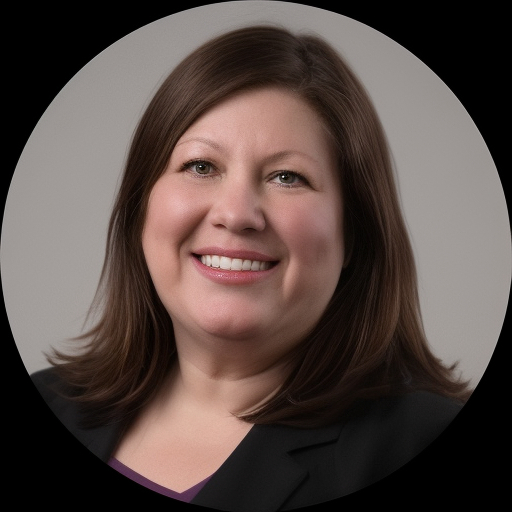
About Erica
She spent nine years as a school counselor before becoming an LPC and has four years in her current counseling role. That background means she is familiar with common family and school-related concerns and practical ways to support coping and communication. She often works with people facing depression, trauma and abuse, and ADHD-related challenges.
In sessions she aims to create an open, nonjudgmental space where thoughts and feelings can be spoken plainly. She customizes conversations and plans to match each person’s situation rather than using a one-size-fits-all approach. The focus is on clear, doable strategies that fit everyday life.
Erica uses methods that include Client-Centered Therapy, Cognitive Behavioral Therapy, and Solution-Focused Therapy. These approaches shape how she structures sessions, sets goals, and helps people test new ways of handling stressors.
Therapy begins with a brief matching questionnaire and scheduling. Erica recognizes that starting therapy takes courage and aims to make the process understandable and manageable. She encourages people to take small steps and offers practical support as they work toward better coping and clearer goals.
Areas of expertise
Primary focus
Also works with
Additional focus areas
Therapeutic approaches
Experience
4+ years
Credentials
Texas
Languages
English
How Erica’s approaches guide online care
Client-Centered Therapy focuses on listening and responding to what matters most to the person. The therapist follows the client’s lead and helps them clarify their own values and choices. Cognitive Behavioral Therapy, or CBT, looks at how thoughts, feelings, and actions connect and introduces straightforward exercises to reduce anxiety and improve mood. Solution-Focused Therapy centers on small, practical steps toward clear goals and is useful when someone wants fast, usable changes.Choosing the right approach is part of the work together. Erica will collaborate with each person to decide which methods fit their needs and goals. That process can include trying different strategies and adjusting plans based on what helps most.
Confirm available session formats before you book, since the profile doesn’t list specific options. Online therapy can make it easier to fit sessions into a busy week, reduce travel time, and allow shorter check-ins when needed. It can also let people use video when they want face-to-face interaction or phone when a quieter, lower-bandwidth option is preferred. Licensed professionals will help match the session rhythm and format to the client’s schedule and goals.
Frequently asked questions
What kinds of concerns does Erica address?
She helps people with stress and anxiety along with trauma and abuse, parenting strain, depression, relationship and family concerns, grief, self-esteem, career questions, and ADHD-related issues.
How would you describe her therapy style?
Her style is open and nonjudgmental, focusing on plain conversation and practical strategies. Sessions are tailored to each person’s needs and goals.
What is her professional background?
She is a Licensed Professional Counselor with four years in her current counseling role and nine years of prior experience as a school counselor.
Where is she licensed and based?
She holds an LPC credential in Texas and practices from that state.
Can someone work with her in another language or from another country?
Sessions are offered in English. She is not accepting international clients.
What session formats are offered?
Please confirm current session options before booking, as the biography does not list specific formats.
How does cost and billing work?
Cost varies with location and therapist availability; sessions use a subscription that can be canceled at any time.
How do I begin working with her?
Start by selecting the Start Therapy button, complete a short matching questionnaire, and schedule according to the therapist’s availability.