- Stress and anxiety
- Skill building
- Self-compassion
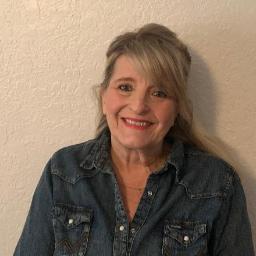
About Debra
Debra uses straightforward, collaborative sessions that focus on what the client needs right now. She draws on client-centered methods to follow the person's lead and on cognitive behavioral ideas to identify unhelpful thoughts and change behaviors. Dialectical behavior strategies are used when emotional regulation and distress tolerance are priorities.
With eleven years of practice, Debra has worked with people across a range of challenges, including mood disorders, addictive behaviors, and grief. She blends narrative and solution-focused techniques to help clients reframe their stories and set small, achievable goals. Sessions tend to be practical and goal-oriented while staying attentive to emotional experience.
Debra emphasizes self-compassion and self-love as part of recovery and growth. She encourages simple daily practices that support better sleep, clearer thinking, and steadier moods. Clients can expect direct suggestions, skill-building, and space to talk through their concerns.
People who want to begin can follow the site's Start Therapy steps to match and schedule. Debra accepts clients internationally and conducts sessions in English.
Areas of expertise
Primary focus
Also works with
Additional focus areas
Therapeutic approaches
Experience
11+ years
Credentials
Oklahoma
Languages
English
How therapeutic approaches shape online work
Client-Centered Therapy focuses on listening closely and following the client's priorities. A therapist using this approach offers empathy, reflection, and support while the person leads the pace and topics. Cognitive Behavioral Therapy, or CBT, breaks problems into thoughts, feelings, and actions and teaches practical skills to change unhelpful patterns; it is useful for anxiety, stress, and sleep or eating difficulties.Finding the best approach is part of the work together. The therapist will collaborate with each person to choose strategies that fit their goals, needs, and preferences. That may mean mixing client-centered listening with CBT skill practice or adding DBT techniques for emotional regulation when needed.
Confirm which session formats are currently offered before booking, since the biography does not list specific options. Online therapy can make it easier to fit sessions into a busy schedule, reduce travel time, and allow shorter check-ins when needed. It also lets people continue work during life transitions and access a licensed professional from a distance.
Frequently asked questions
What kinds of concerns does Debra address?
She helps people with stress, anxiety, depression, trauma and abuse, addictions, ADHD, grief, relationship and intimacy-related issues, sleep and eating concerns, parenting strain, career stress, and self-esteem.
What is her therapy style like?
The style is collaborative and practical. Sessions focus on identifying immediate needs, building coping skills, and setting achievable goals.
How much experience does she have?
Debra has eleven years of experience working with a variety of presenting concerns, including mood disorders and addictive behaviors.
What credentials and location does she have?
She holds a Licensed Professional Counselor credential, LPC, and practices in Oklahoma.
Which languages are supported and can international clients join?
Sessions are offered in English, and she accepts international clients.
What session formats are available?
The original biography does not specify session formats, so confirm current session options before booking.
How are costs and billing handled?
Cost varies with location and therapist availability; sessions use a subscription that can be canceled at any time.
How do I begin working with her?
Use the Start Therapy button, complete a short matching questionnaire, and schedule according to therapist availability.