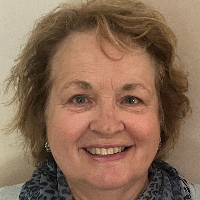
- 30 years experience
- Goal focused
- Interactive style
About Deborah
Deborah believes the relationship between counselor and client matters most. She begins by talking about goals so sessions stay focused on what the person wants to achieve. She encourages people to use community resources when helpful and supports building a network of assistance around the client.
Her style is interactive and practical. She adapts what happens in a session to the person in the room - for example, the needs of someone grieving a recent loss differ from those of someone working on sobriety. Sessions tend to follow the client’s pace and priorities.
Deborah uses a mix of approaches to match each person’s needs, drawing from client-centered ideas, cognitive behavioral tools, solution-focused steps, Motivational Interviewing, and relationship work. She aims to help people find ways to manage strong emotions, improve communication, and move through life changes.
She recognizes that reaching out takes courage and treats that trust with care. Conversations in early sessions focus on realistic goals and concrete next steps toward coping and recovery.
Areas of expertise
Primary focus
Also works with
Additional focus areas
Therapeutic approaches
Experience
30+ years
Credentials
Tennessee
Languages
English
How Deborah’s Approaches Translate to Online Care
The therapist draws from client-centered work and cognitive behavioral therapy to guide sessions. Client-centered therapy focuses on listening and helping people identify their own goals, which can be helpful when sorting through stress and relationship concerns. Cognitive behavioral therapy looks at thoughts and behaviors and uses practical steps to reduce anxiety and manage mood.Finding the right approach is a shared process. Deborah talks with each person about goals and preferences, and adjusts methods over time to match what’s most helpful. That collaborative decision-making helps shape whether sessions focus more on emotion, skills, or problem-solving.
Session formats are not specified in the biography, so confirm current options before booking. Online work can make it easier to fit therapy into a busy life - it can reduce travel time, allow for shorter check-ins between obligations, and let someone join from a location with quieter surroundings. Licensed professionals can use these options to help people practice skills, work on communication, and follow step-by-step plans between meetings.
Frequently asked questions
What concerns does Deborah help with?
She assists people with relationship and family issues, parenting challenges, stress, anxiety, addiction, trauma and grief among other topics.
What is her therapy style like?
Her style is interactive and adaptable. She talks early about goals and shapes sessions around what the person wants to work on.
How much experience does she have?
She has 30 years of clinical experience across community mental health, inpatient and outpatient addiction treatment, a sexual assault crisis center, and private practice.
What credentials and location are listed?
She is a Licensed Marriage and Family Therapist - LMFT - practicing in Tennessee.
Which languages are supported?
Sessions are offered in English.
Does she work with international clients?
International clients are not currently accepted.
How are sessions billed or priced?
Cost varies with location and therapist availability; sessions use a subscription that can be canceled at any time.
How do I begin working with her?
Select the Start Therapy button, complete a short matching questionnaire, and schedule according to therapist availability.