- Focus on coping skills
- Affirming for LGBTQ+
- Goal oriented work
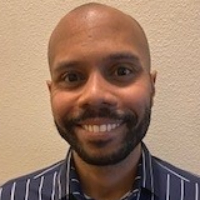
About Christopher
He often supports clients facing depression, grief, addiction concerns, and difficulties with self-esteem. He also helps people dealing with identity questions, multicultural concerns, and challenges common in LGBTQ+ communities. His work includes attention to communication problems, codependency, and the strain of life transitions.
In session Christopher uses straightforward, evidence-informed methods. He draws on Cognitive Behavioral Therapy, Motivational Interviewing, and Solution-Focused Therapy to build coping skills and set achievable goals. Sessions tend to focus on concrete strategies rather than abstract theory.
Christopher emphasizes respectful listening and practical planning. He helps people spot patterns that increase distress and then practices alternatives together. Many clients leave with specific tools for managing panic, reducing worry, or handling difficult conversations.
People seeking support for career stress, isolation, or relationship-related concerns may find his approach useful. He aims to create an accepting space where goals are clear and progress is measurable. To begin, readers should confirm current session options and scheduling details before booking.
Areas of expertise
Primary focus
Also works with
Additional focus areas
Therapeutic approaches
Experience
9+ years
Credentials
Texas
Languages
English
How his approaches shape online therapy
Christopher often uses Cognitive Behavioral Therapy to help people notice unhelpful thoughts and change behaviors that keep stress and anxiety high. CBT sessions typically include simple exercises and at-home practice to reduce worry and improve mood.He also uses Motivational Interviewing to support people who want to change habits or make life adjustments. This approach focuses on the person’s own reasons for change and builds motivation step by step.
Finding the right approach is part of the work. Christopher will talk with each person about goals and preferences, and together they decide which methods to try. That teamwork helps make sessions more relevant and easier to use in daily life.
Confirm the current session formats before booking, as the biography does not list specific options. Online sessions can make fitting therapy into a busy schedule easier by reducing commute time and allowing shorter check-ins when needed. They can also work well for people who prefer to meet from a quiet room at home or take a session during a break at work. Licensed professionals adapt methods like CBT and Motivational Interviewing to online settings so clients can practice skills between meetings and track progress over time.
Frequently asked questions
What issues does Christopher help with?
He works with stress, anxiety, depression, grief, addictions, self-esteem, and related concerns such as communication problems and codependency.
What is his therapy style like?
His style is practical and collaborative, focusing on clear goals and skills you can use between sessions.
How long has he been practicing?
He has nine years of professional experience as a therapist in Texas.
What credential does he hold and where is he based?
He is a Licensed Professional Counselor (LPC) and practices in Texas.
Which languages are supported in sessions?
Sessions are offered in English.
Can people outside the U.S. work with him?
International clients are not currently accepted.
How are session fees handled?
Cost varies with location and therapist availability; sessions use a subscription that can be canceled at any time.
How do I get started with therapy?
Select the Start Therapy button, complete a short matching questionnaire, and schedule according to therapist availability.