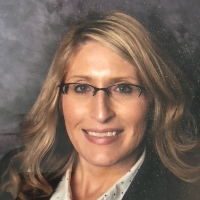
- Client-centered
- Strengths-based
- Practical steps
About Christina
Her background includes extensive work with people affected by abuse and trauma, as well as those facing parenting challenges, grief, ADHD, obsessive thoughts, and addiction. She draws on her clinical experience to understand each person’s history and current needs before suggesting next steps.
Christina’s style is client-centered and strengths-based. She focuses on listening carefully, recognizing what already works in a person’s life, and building on those strengths. Sessions move at a pace that fits each client and aim for concrete steps people can use between meetings.
She uses several therapeutic approaches to shape treatment, including Acceptance and Commitment Therapy, Cognitive Behavioral Therapy, Dialectical Behavior Therapy, Attachment-Based Therapy, and client-centered methods. These are applied flexibly to match the concern and the person’s goals.
Christina works from Texas and provides services in English. She invites people who are ready to take the first step to complete a short questionnaire and schedule a session to begin shaping a plan for change.
Areas of expertise
Primary focus
Also works with
Therapeutic approaches
Experience
11+ years
Credentials
Texas
Languages
English
How therapeutic approaches shape online work
Acceptance and Commitment Therapy (ACT) helps people notice thoughts and feelings without getting stuck in them. It emphasizes values-guided actions so someone can take steps toward what matters even when worry or stress is present. Cognitive Behavioral Therapy (CBT) focuses on identifying unhelpful thinking and behavior patterns and replacing them with clearer, more useful strategies to reduce anxiety and improve mood.Choosing the right approach is part of the work together. The therapist will ask about goals, daily routines, and what has or hasn’t helped in the past. Then she will suggest approaches and adjust the plan based on how the client responds, keeping the process collaborative and goal-focused.
If you plan to try online therapy, confirm the current session options when booking. The therapist’s clinical methods translate well to remote sessions because they often involve talking things through, practicing new skills, and setting short daily steps. Online work can make it easier to fit appointments around busy schedules, allow shorter check-ins when needed, and remove travel time so people can focus on practical progress.
Frequently asked questions
What kinds of concerns does Christina address?
She works with stress and anxiety as well as depression, trauma and abuse, relationship and parenting concerns, addictions, ADHD, sleep and eating issues, anger, self-esteem, and career or life changes.
How would you describe her therapeutic style?
Her approach is client-centered and strengths-based, focusing on empathy and practical steps. She aims to listen first and then build concrete plans clients can use between sessions.
What is her professional background?
She has eleven years of clinical experience helping people through transitional life needs and complex histories, including trauma and grief.
What credentials and region are listed?
She is a Licensed Clinical Social Worker (LCSW) practicing in Texas with the credential listed as TX LCSW.
Which languages are supported for sessions?
Sessions are offered in English.
Are international clients accepted?
International clients are not currently accepted.
How are sessions scheduled and what about cost?
Cost varies with location and therapist availability; sessions use a subscription that can be canceled at any time.
How do I begin working with this therapist?
Click the Start Therapy button, complete a short matching questionnaire, and schedule according to therapist availability.